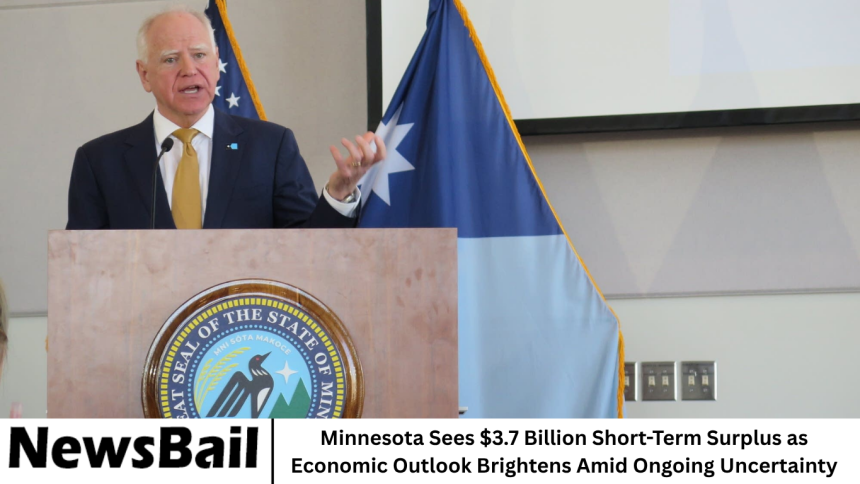
The state of Minnesota is entering a period of cautious optimism as officials project a $3.7 billion short-term budget surplus, signaling an improvement in the state’s economic outlook. The updated financial forecast suggests that stronger-than-expected revenues, steady job growth, and resilient consumer spending have helped strengthen Minnesota’s fiscal position.
However, while the near-term picture looks promising, economic experts and policymakers emphasize that uncertainty still looms over the longer-term financial outlook. Concerns about inflation, federal policy changes, economic slowdowns, and rising spending commitments could reshape Minnesota’s financial trajectory.
This mixed outlook—positive in the short term but uncertain in the long term—has sparked debate among lawmakers, business leaders, and economists. Some argue that the surplus presents an opportunity to invest in infrastructure, education, and workforce development.
More Read: Military Access to Princeton, Columbia Cut Off by Hegseth Amid ‘Wokeness’ Debate
Understanding Minnesota’s $3.7 Billion Surplus
The projected $3.7 billion surplus reflects Minnesota’s improved fiscal condition for the upcoming budget period. A budget surplus occurs when government revenues exceed spending projections, leaving extra funds available for allocation.
Several factors contributed to this improved outlook:
- Stronger-than-expected tax collections
- Continued job growth
- Increased consumer spending
- Stable corporate earnings
- Moderate economic expansion
These elements combined to create a stronger fiscal environment than previously anticipated.
Despite the encouraging news, state officials caution that this surplus is short-term in nature, meaning it may not reflect long-term financial stability.
Key Drivers Behind the Improved Economic Outlook
Strong Labor Market Performance
One of the most significant contributors to Minnesota’s improved economic outlook is a resilient labor market. Employment levels have remained strong across several industries, including:
- Healthcare
- Technology
- Manufacturing
- Retail
- Professional services
Low unemployment rates and steady job growth have boosted household income levels. As a result, residents are spending more, which contributes to higher sales tax revenue and overall economic activity.
In addition, wage growth has helped support consumer confidence, encouraging continued spending and investment.
Higher Tax Revenues
Minnesota has also benefited from stronger-than-expected tax collections. Revenue growth has come from several key sources:
- Individual income taxes
- Sales taxes
- Corporate taxes
- Capital gains taxes
These increased revenues have helped create the projected surplus. However, economists warn that some revenue streams—particularly capital gains—can fluctuate significantly depending on market conditions.
This variability is one of the reasons officials recommend cautious spending.
Resilient Consumer Spending
Consumer spending remains a major driver of economic growth. Minnesota residents have continued to spend on:
- Housing
- Retail goods
- Travel
- Entertainment
- Services
Strong consumer activity supports businesses and generates additional tax revenue for the state.
Even as inflation has affected prices, consumer demand has remained relatively stable, contributing to Minnesota’s improved outlook.
Economic Growth Across Key Industries
Several industries have played a major role in Minnesota’s economic resilience.
Healthcare and Medical Technology
Minnesota is home to a thriving healthcare and medical technology sector. Companies in this space continue to expand, creating jobs and boosting economic activity.
The healthcare industry provides:
- Stable employment
- High-paying jobs
- Continued investment
- Economic diversification
This sector has helped stabilize Minnesota’s economy during periods of uncertainty.
Manufacturing Sector Strength
Manufacturing remains a key pillar of Minnesota’s economy. The sector has experienced moderate growth, driven by:
- Increased demand for goods
- Supply chain improvements
- Technological innovation
Manufacturing jobs also contribute to higher wages and increased economic activity across communities.
Technology and Innovation
The technology sector continues to expand in Minnesota, creating new opportunities for businesses and workers.
Technology growth includes:
- Software development
- Artificial intelligence
- Data analytics
- Cybersecurity
These industries are expected to remain important drivers of future growth.
Federal Policy and Economic Uncertainty
Despite Minnesota’s improved outlook, uncertainty surrounding federal policy remains a major concern.
Potential risks include:
- Federal funding changes
- Tax policy adjustments
- Healthcare funding shifts
- Infrastructure funding decisions
Changes at the federal level can significantly impact state budgets. For example, reductions in federal funding could force Minnesota to increase spending or cut services.
This uncertainty makes long-term planning more difficult.
Long-Term Spending Pressures
While the short-term outlook is positive, Minnesota faces several long-term financial challenges.
Rising Healthcare Costs
Healthcare spending continues to increase, placing pressure on state budgets. Factors contributing to rising costs include:
- Aging population
- Medical inflation
- Increased service demand
These costs could reduce future surpluses.
Education Funding Demands
Education remains one of Minnesota’s largest budget items. Increased funding for:
- Public schools
- Higher education
- Workforce training
could add to long-term spending commitments.
Infrastructure Needs
Minnesota also faces growing infrastructure demands, including:
- Roads
- Bridges
- Public transportation
- Utilities
These investments require significant funding.
Political Debate Over the Surplus
The projected surplus has sparked debate among lawmakers in Minnesota Legislature.
Arguments for Saving the Surplus
Some policymakers argue that Minnesota should save the surplus to prepare for future economic downturns.
Benefits of saving include:
- Financial stability
- Protection during recessions
- Reduced need for tax increases
- Calls for Tax Relief
Other lawmakers believe residents should benefit directly from the surplus.
Potential tax relief options include:
- Income tax reductions
- Property tax relief
- One-time rebates
This approach aims to return surplus funds to taxpayers.
Investment in Public Services
Some leaders advocate investing the surplus into:
- Education
- Healthcare
- Infrastructure
- Public safety
This strategy focuses on long-term growth.
Impact on Businesses
Minnesota’s improved outlook could benefit businesses in several ways.
Increased Business Confidence
A stable economy encourages companies to:
- Expand operations
- Hire employees
- Invest in equipment
- Infrastructure Improvements
Better infrastructure can help businesses improve logistics and efficiency.
Workforce Development
Investments in education and training can help businesses find skilled workers.
Impact on Residents
Minnesota residents may see benefits from the improved outlook.
Potential benefits include:
- Better public services
- Improved infrastructure
- Possible tax relief
- Expanded education programs
However, final decisions have not yet been made.
Economic Risks Facing Minnesota
Despite the surplus, several risks remain.
Inflation
Rising inflation could slow economic growth.
Economic Slowdown
A national slowdown could reduce revenue.
Federal Policy Changes
Federal decisions could affect funding.
Global Uncertainty
International events may impact trade and manufacturing.
Budget Reserves and Financial Stability
Minnesota maintains strong budget reserves, which provide a cushion during downturns.
Benefits include:
- Emergency funding
- Stability during recessions
- Reduced need for cuts
These reserves strengthen Minnesota’s financial position.
Future Economic Outlook
Looking ahead, economists predict:
Moderate growth
Continued uncertainty
Potential budget pressures
Careful planning will be essential.
What Happens Next?
Lawmakers will now:
- Debate spending priorities
- Consider tax relief
- Plan investments
- Build reserves
These decisions will shape Minnesota’s future.
Frequently Asked Question
What caused Minnesota’s $3.7 billion surplus?
The surplus resulted from stronger tax revenues, job growth, and consumer spending.
Is the surplus permanent?
No, the surplus is short-term and may change depending on economic conditions.
How might the surplus be used?
Lawmakers may save funds, invest in services, or provide tax relief.
What risks could affect Minnesota’s economy?
Inflation, federal policy changes, and economic slowdowns are major risks.
Will residents receive tax relief?
Some lawmakers support tax relief, but no final decisions have been made.
What industries are driving Minnesota’s growth?
Healthcare, technology, manufacturing, and retail are key sectors.
What happens next?
Lawmakers will debate how to allocate the surplus and plan future budgets.
Conclusion
Minnesota’s projected $3.7 billion short-term surplus represents a positive development for the state’s economy. Strong tax revenues, steady employment, and resilient consumer spending have contributed to the improved outlook. However, uncertainty remains. Federal policy changes, inflation, and rising spending commitments could affect long-term stability.