
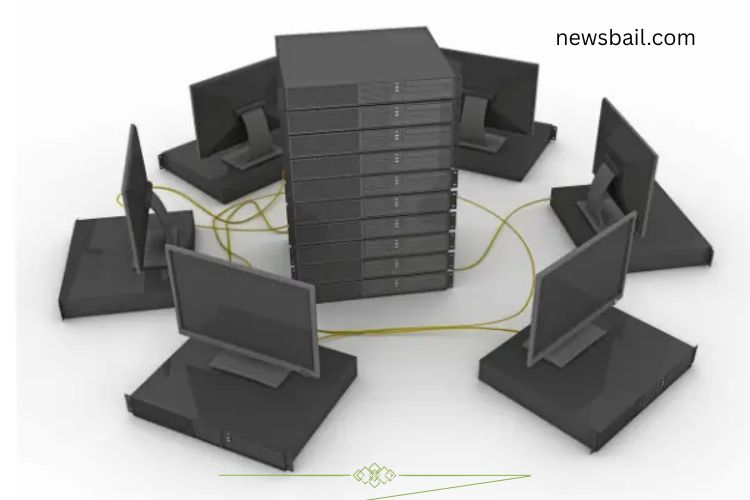
Mainframe computers are the backbone of many large organizations, handling massive amounts of data and complex processes with unmatched reliability. These powerful machines are designed to manage critical operations that smaller computers cannot handle efficiently. From banking to healthcare, airlines to government services, mainframes ensure smooth and secure operations in industries that depend on speed, accuracy, and stability.
What Is a Mainframe Computer?
A mainframe computer is a large, high-performance system capable of processing vast volumes of data simultaneously. Unlike personal computers, mainframes are built to handle multiple tasks and support thousands of users at the same time without slowing down. They are exceptionally reliable, capable of running continuously for long periods with minimal downtime. This makes them indispensable for organizations where uninterrupted operation is critical, such as banks, hospitals, and government agencies.
Mainframes excel in storing, processing, and managing massive datasets efficiently. Their robust architecture allows them to execute complex calculations, support large-scale transaction processing, and ensure secure data management. In essence, mainframes are the silent workhorses behind some of the world’s most critical operations.
A Brief History of Mainframe Computers
The journey of mainframe computers began in the 1940s, with the first systems being enormous, room-sized machines. These early computers were expensive and accessible only to governments or large corporations. Their primary function was to handle extensive calculations and data processing tasks that were otherwise impossible with manual methods.
By the 1950s and 1960s, companies like IBM revolutionized mainframes by making them smaller, faster, and more versatile. These new models allowed businesses to store and manage data more efficiently, expanding the use of mainframes beyond government institutions. Over the decades, mainframes have continuously evolved, improving in processing power, reliability, and security. Today, they remain a cornerstone for enterprise-level computing, powering everything from financial systems to airline reservations.
Core Components of a Mainframe Computer
Mainframes are complex systems made up of multiple components, each contributing to their high performance and reliability. Understanding these parts helps to appreciate why mainframes remain vital in modern technology.
- Central Processing Unit (CPU): The brain of the mainframe, responsible for executing instructions and controlling all operations.
- z/Architecture Processor: Found in IBM mainframes, this specialized processor enhances data handling and executes complex computing tasks efficiently.
- System Assistance Processor (SAP): Speeds up communication between the operating system and input/output devices.
- Storage Unit: Includes hard drives and tape drives to store vast volumes of data and files securely.
- Motherboard: Connects all hardware components, ensuring seamless communication between them.
- Controller Unit: Manages data flow between the mainframe’s internal components and external devices.
- Multiprocessors: Multiple processors work together to handle extensive data processing simultaneously.
- Input/Output (I/O) Devices: Keyboards, monitors, and printers enable user interaction with the mainframe.
- Power Supply Unit: Provides electrical energy to all components, ensuring continuous operation.
Together, these components allow mainframes to perform highly demanding tasks reliably, maintaining performance even under heavy workloads.
Key Uses of Mainframe Computers
Mainframes are versatile systems used across various industries for mission-critical applications. Their capabilities include:
- Data Storage: Manage enormous amounts of data securely and efficiently.
- Banking Transactions: Process millions of financial transactions daily without errors.
- Airline Booking Systems: Support real-time reservation systems for global travel.
- Insurance Processing: Handle complex claims and policy management systems.
- Government Services: Support large-scale administrative functions like tax collection and census data processing.
- Corporate Records: Manage enterprise databases for large corporations.
- Scientific Research: Run simulations and calculations for advanced research projects.
- Website Management: Host and manage high-traffic websites and online platforms.
- Data Security: Protect sensitive information with robust encryption and security protocols.
- Multi-User Support: Serve thousands of users simultaneously without affecting performance.
These applications showcase why mainframes are essential in sectors where reliability, speed, and security are non-negotiable.
Advantages of Mainframe Computers
Mainframes offer unique advantages that smaller computers cannot match, making them ideal for large-scale operations:
- High Data Handling Capacity: Process massive volumes of data efficiently.
- Multi-User Support: Serve thousands of users simultaneously without slowing down.
- Data Security: Provide advanced protection for sensitive information.
- Unmatched Reliability: Run continuously for years with minimal downtime.
- Fast Processing: Execute complex tasks and multiple programs simultaneously.
- Enterprise-Level Efficiency: Perfect for large businesses, governments, and organizations with critical operations.
These benefits make mainframes a preferred choice for industries where performance and dependability are vital.
Limitations of Mainframe Computers
Despite their power, mainframes come with certain limitations:
- High Cost: Expensive to purchase and maintain, making them unsuitable for small businesses.
- Energy Consumption: Require significant electricity to operate.
- Cooling Requirements: Generate substantial heat and need specialized cooling systems.
- Space Requirements: Occupy large physical spaces compared to modern servers.
- Expertise Needed: Require trained professionals for operation and maintenance.
- Limited Flexibility: Harder to upgrade or modify compared to modern computing systems.
Understanding these limitations helps organizations plan effectively when considering mainframes for their operations.
Why Mainframes Still Matter Today
In a world dominated by cloud computing and distributed systems, mainframes continue to hold a critical role. Their ability to handle massive workloads reliably makes them indispensable for industries where downtime or errors can result in significant financial or operational losses. Mainframes have adapted over the years, integrating with modern technologies and supporting virtualization, cloud integration, and enhanced security features.
Even with the rise of smaller, faster computing devices, mainframes remain the foundation for high-volume transaction processing, secure data management, and enterprise-level reliability. Organizations that rely on large-scale operations continue to invest in mainframe technology to ensure consistent performance and security.
Frequently Asked Questions:
What is a mainframe computer?
A mainframe computer is a high-powered, large-scale system designed to process massive amounts of data quickly and reliably. It supports thousands of users simultaneously and is essential for industries like banking, healthcare, and government services.
How are mainframes different from personal computers?
Unlike personal computers, mainframes handle extensive data workloads, support multiple users at once, and offer unmatched reliability, security, and processing power. Personal computers cannot match this scale or durability.
Who uses mainframe computers?
Mainframes are used by large organizations, including banks, insurance companies, airlines, government agencies, and research institutions. These sectors rely on mainframes for secure, continuous operations.
What are the key components of a mainframe?
Mainframes include a central processing unit (CPU), specialized processors like IBM’s z/Architecture, storage units, multiprocessors, input/output devices, controllers, motherboards, and power supply units, all working together for high performance.
What tasks can a mainframe perform?
Mainframes can process large datasets, manage financial transactions, run airline booking systems, process insurance claims, support government operations, host large websites, and facilitate scientific research.
What are the advantages of using a mainframe?
Mainframes provide high-speed data processing, multi-user support, exceptional reliability, robust security, and the ability to run multiple programs simultaneously, making them ideal for enterprise-level operations.
Are there any disadvantages of mainframes?
Yes. Mainframes are expensive, consume a lot of power, require cooling systems, occupy significant physical space, and need specialized staff to operate and maintain them.
Conclusion
Mainframe computers are the powerhouse of modern enterprise technology, combining unmatched reliability, massive processing power, and robust security. From their origins as room-sized machines to today’s sophisticated, high-performance systems, mainframes have continually evolved to meet the demands of large organizations. They remain essential for industries where uninterrupted operations, large-scale data management, and multi-user support are critical. By understanding their components, capabilities, and applications, businesses can harness the full potential of mainframes to streamline operations, protect sensitive data, and handle complex workloads efficiently.