
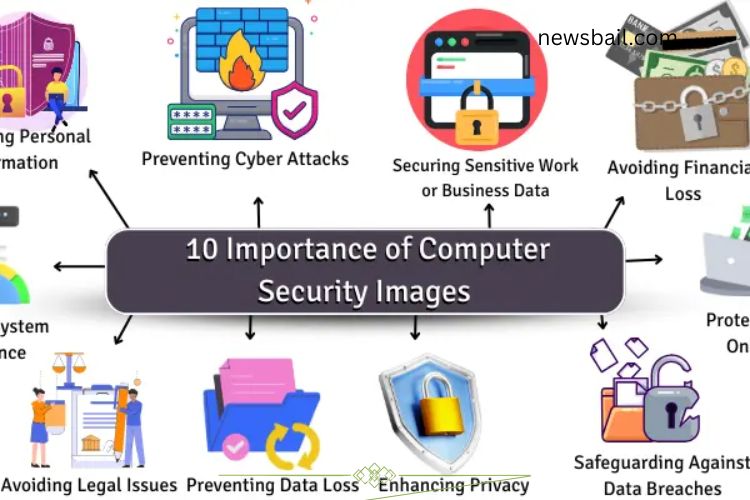
In today’s fast-paced digital era, computer security has never been more crucial. Computers have become an essential part of our daily lives, from work and education to entertainment and social connections. Yet, many users overlook the importance of securing their devices, leaving personal and professional information vulnerable to theft, malware, and cyber attacks. Understanding the importance of computer security is the first step toward safeguarding your digital world. This guide will explore the top 10 reasons why computer security matters and how it can protect your data, privacy, and finances.
Read More: Unlock Your Creativity: Graphic Tablets Made Simple and Fun!
Protect Personal Information
Personal information is one of your most valuable assets online. Computer security safeguards sensitive data such as your name, address, passwords, financial details, and private communications. Without protection, hackers and cybercriminals can gain access to your accounts, steal personal files, and misuse your information.
- Keeps passwords and social media accounts safe.
- Prevents unauthorized access to photos, videos, and documents.
- Secures private communications, emails, and contact information.
- Protects sensitive financial details during online transactions.
By prioritizing computer security, you reduce the risk of identity theft and ensure your personal data remains private and protected.
Prevent Cyber Attacks
Cyber attacks can cause severe damage to your system, ranging from slow performance to complete data loss. Effective computer security prevents malicious software, viruses, and hackers from compromising your device.
- Blocks harmful viruses, malware, and ransomware.
- Prevents hackers from taking control of your computer.
- Protects your system from spyware, worms, and Trojan attacks.
- Stops dangerous pop-ups and fake websites from infecting your device.
Regular updates, firewalls, and antivirus software are key tools in defending against these threats, keeping your system safe and reliable.
Secure Sensitive Work and Business Data
Businesses rely on confidential information, from contracts and customer data to internal reports. Computer security ensures this data remains private and protected from unauthorized access.
- Protects business files from theft or unauthorized changes.
- Keeps customer and employee information secure.
- Encrypts sensitive data to prevent leaks.
- Safeguards contracts, deals, and intellectual property.
By securing work data, companies avoid financial losses, maintain trust, and ensure operations run smoothly without interruptions from cyber threats.
Avoid Financial Loss
Financial information is particularly vulnerable in the digital world. Strong computer security protects your money, online payments, and banking information.
- Prevents online fraud and credit card theft.
- Secures online payment transactions and digital wallets.
- Stops hackers from making unauthorized purchases.
- Protects financial accounts during online shopping.
Investing in secure systems and following safe online practices can prevent costly financial damages and keep your funds safe from cybercriminals.
Preserve System Performance
A well-protected computer runs faster and more efficiently. Malware, viruses, and unwanted programs can slow down your device or even cause system crashes.
- Prevents harmful software from consuming memory or CPU power.
- Stops junk files from cluttering your system.
- Protects against viruses that can crash your device.
- Ensures smooth operation and optimal performance.
Regular updates, antivirus scans, and system optimization are essential steps to keep your computer performing at its best.
Avoid Legal Issues
Online activity carries legal responsibilities. Without proper computer security, users may inadvertently engage in illegal actions or become victims of cybercrime.
- Prevents downloading illegal or pirated content.
- Protects against accusations of online fraud or copyright infringement.
- Keeps online actions compliant with the law.
- Safeguards your reputation from legal complications.
Strong security practices help you navigate the online world safely and responsibly, avoiding potential fines and legal consequences.
Prevent Data Loss
Losing important files, photos, or documents can be devastating. Computer security helps prevent accidental or malicious data loss.
- Regular backups protect critical files.
- Stops viruses from deleting or corrupting data.
- Prevents accidental overwrites or file deletions.
- Ensures work, memories, and personal documents are recoverable.
Implementing robust security and backup solutions guarantees that your data remains intact even during hardware failures or cyber attacks.
Protect Against Online Scams
Online scams are increasingly sophisticated and can target anyone. Security measures help identify and block these threats.
- Prevents phishing emails and fake websites from stealing information.
- Stops fraudulent ads and surveys from tricking you.
- Protects credit card details from being compromised.
- Detects scam apps and fake online offers.
Awareness, combined with security software, helps users navigate the internet safely, avoiding financial loss and identity theft.
Secure Internet Connections
A secure internet connection is essential for safe browsing and online transactions. Weak connections leave devices exposed to hackers and cybercriminals.
- Uses strong passwords to protect Wi-Fi networks.
- Blocks unauthorized access to your internet connection.
- Prevents eavesdropping on emails, chats, and online activity.
- Ensures safe connections to trusted websites, even on public Wi-Fi.
Securing your network is a simple yet effective way to protect personal, financial, and professional information from cyber threats.
Safeguard Against Data Breaches
Data breaches can expose sensitive personal or business information to the wrong hands. Computer security helps minimize the risk and consequences of such events.
- Protects passwords, financial data, and private files from leaks.
- Prevents unauthorized access to online accounts.
- Secures sensitive business and health records.
- Stops cybercriminals from misusing stolen information.
Strong security systems, encryption, and continuous monitoring are critical in preventing data breaches and ensuring your information remains confidential.
Frequently Asked Questions:
What is computer security and why is it important?
Computer security, also known as cybersecurity, involves protecting your computer, data, and networks from unauthorized access, malware, and cyber attacks. It is essential because it safeguards personal information, prevents financial loss, and ensures your devices run efficiently and safely.
How can computer security protect my personal information?
Security tools such as antivirus software, firewalls, and strong passwords help prevent hackers from accessing your sensitive data, including emails, social media accounts, photos, and financial information.
What are the most common cyber threats?
Common threats include viruses, malware, ransomware, phishing scams, spyware, and hacker attacks. These can damage your system, steal information, or compromise your privacy.
How does computer security prevent financial loss?
By securing online banking, digital wallets, and payment transactions, computer security prevents unauthorized access, online fraud, and identity theft, keeping your money and financial data safe.
Can computer security improve my system’s performance?
Yes. Security software prevents malware and unwanted programs from slowing down your computer, protects against system crashes, and ensures smooth, efficient operation.
How does computer security help businesses?
Businesses handle sensitive data like contracts, employee information, and customer details. Security measures protect these assets from theft, data breaches, and unauthorized access, ensuring business continuity and trust.
Is public Wi-Fi safe to use without security?
Public Wi-Fi can be risky. Using a secure VPN (Virtual Private Network) and avoiding sensitive transactions on public networks can protect your data from hackers and cybercriminals.
Conclusion
Computer security is no longer optional—it is a critical part of protecting your digital life. From safeguarding personal information and financial data to preventing cyber attacks, data breaches, and system failures, robust security measures ensure your devices and information remain safe. Implementing strong passwords, antivirus software, firewalls, and regular backups not only protects your data but also enhances system performance, privacy, and peace of mind. By understanding and prioritizing the power of computer security, you can defend against evolving cyber threats, protect sensitive information, and confidently navigate the digital world.