Embedded computers have quietly transformed the way we live, powering devices we use daily without most of us even noticing. From smartphones to washing machines, these tiny, specialized computers make devices smarter, faster, and more efficient. But what exactly are embedded computers, how do they work, and why are they so important in modern technology? Let’s explore.
Read More: The Critical Power of Computer Security: Protect, Defend, and Safeguard Your Digital World
What Is an Embedded Computer?
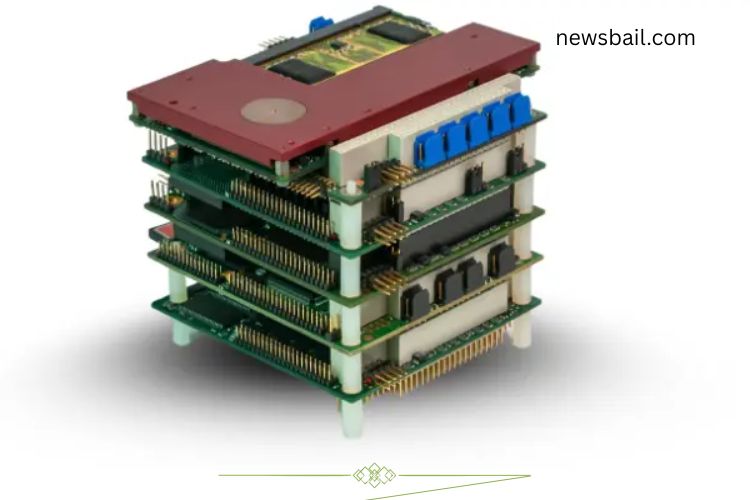
An embedded computer is a compact, specialized computing system designed to perform dedicated tasks within a larger device. Unlike traditional computers, embedded systems typically lack screens or keyboards and are often invisible to the user. They operate silently in the background, optimizing performance and ensuring seamless operation of the devices they inhabit. You can find embedded computers in microwaves, cars, medical equipment, cameras, and countless other everyday devices.
These systems are tailored for specific purposes rather than general computing. Their focused design allows them to execute tasks efficiently, often in real time, making them indispensable in technology-dependent environments.
The History of Embedded Computers
The concept of embedded computing dates back to the 1960s, driven by the need for small, dedicated systems to control machinery. One of the earliest and most famous examples is the Apollo Guidance Computer, which guided astronauts during the historic 1969 moon landing. This groundbreaking system proved that computers could be miniaturized and integrated into specialized applications.
During the 1970s, embedded systems became more compact and affordable, enabling their adoption in cars, household appliances, and early mobile devices. The 1980s marked a significant leap with the invention of microcontrollers, allowing embedded computers to perform complex tasks with minimal power consumption. By the 2000s, embedded systems became integral to smartphones, reshaping the way people interact with technology. Today, embedded computers are ubiquitous, powering everything from medical monitors to industrial machinery.
How Embedded Computers Work
Embedded computers operate by combining hardware and software to perform precise tasks. Hardware consists of physical components like chips, circuits, and sensors, while software is the program that instructs the system on what actions to take. The synergy of these components allows embedded systems to function reliably and efficiently.
Here’s a simplified workflow of how embedded computers operate:
- Hardware Components: Tiny chips, sensors, and circuits collect and process data.
- Software Instructions: Programs provide step-by-step guidance for executing tasks.
- Input Collection: Sensors or buttons relay information to the system.
- Data Processing: The embedded computer interprets the input according to software commands.
- Output Control: The system issues commands, such as activating a motor, displaying information, or adjusting temperature.
- Task Repetition: This cycle continues as long as the device remains active, ensuring consistent performance.
Even though embedded systems often perform one task at a time, they do it with remarkable efficiency and accuracy.
Types of Embedded Computers
Embedded computers vary in complexity, size, and functionality, depending on their intended application. They can range from simple controllers in household appliances to advanced processors in industrial machines or vehicles.
Key Types Include:
- Standalone Embedded Computers: Operate independently, like digital cameras.
- Real-Time Embedded Computers: Perform instant actions, such as traffic light systems.
- Networked Embedded Computers: Connect to other devices, powering smart home systems.
- Mobile Embedded Computers: Found in portable devices like smartphones and tablets.
- Small-Scale Embedded Computers: Handle simple, low-power tasks, such as toys or remote controls.
- Medium-Scale Embedded Computers: Manage more complex devices like washing machines or cars.
- Large-Scale Embedded Computers: Powerful systems used in airplanes, medical equipment, or industrial automation.
Each type is purpose-built to deliver maximum performance for its specific application, balancing speed, size, and energy efficiency.
Core Components of Embedded Computers
An embedded computer integrates several hardware and software components that work in harmony to perform designated functions. These components ensure reliability and precision in every operation.
Main Parts Include:
- Microcontroller: Acts as the brain, controlling all operations.
- Memory: Stores instructions and operational data.
- Sensors: Detect environmental changes such as temperature, motion, or pressure.
- Actuators: Execute actions like turning on motors or adjusting lights.
- Power Supply: Provides energy for uninterrupted performance.
- Input/Output Interfaces: Enable communication between the embedded system and other devices, like buttons, screens, or network connections.
Without these components working together, embedded systems would fail to perform even basic tasks.
Features of Embedded Computers
Embedded computers stand out from traditional computers due to their specialized design and features. These attributes make them particularly effective in modern technology.
- Compact Size: Small enough to fit inside devices with limited space.
- Real-Time Performance: Respond instantly to inputs for precise operation.
- Low Power Consumption: Optimized for energy efficiency, extending device life.
- Task-Specific Design: Tailored for specific operations rather than general computing.
These features allow embedded systems to operate continuously, reliably, and efficiently, often for years without maintenance.
Applications of Embedded Computers
Embedded computers are essential in countless industries and everyday applications. Their versatility and efficiency make them vital for both simple and complex tasks.
Common Applications Include:
- Smartphones: Managing apps, calls, and sensors.
- Automobiles: Controlling engine performance, safety systems, and infotainment.
- Home Appliances: Optimizing washing cycles, refrigeration temperatures, and microwave cooking.
- Medical Devices: Monitoring heart rates, insulin delivery, and other critical functions.
- Cameras and Imaging Devices: Processing images and videos in real time.
- Home Security Systems: Monitoring alarms, sensors, and cameras.
- Televisions and Entertainment Systems: Managing channels, display settings, and streaming interfaces.
- Gaming Consoles: Handling processing and controller inputs for immersive gameplay.
In essence, embedded computers enhance device intelligence, improve efficiency, and automate tasks, making modern life smoother and more convenient.
The Future of Embedded Computers
As technology evolves, embedded computers are becoming even more powerful and integral to innovation. The rise of IoT (Internet of Things), artificial intelligence, and smart devices depends heavily on embedded systems. Future advancements will focus on smaller, faster, and more energy-efficient designs capable of handling increasingly complex tasks.
We can expect embedded computers to expand into self-driving cars, wearable health tech, smart cities, and industrial automation, powering a new era of connected, intelligent devices.
Frequently Asked Questions:
What is an embedded computer?
An embedded computer is a small, specialized computing system designed to perform a specific task within a larger device. Unlike traditional computers, it usually doesn’t have a screen or keyboard and works silently in the background.
Where are embedded computers used?
Embedded computers are everywhere—from smartphones, cars, and medical devices to home appliances, cameras, gaming consoles, and industrial machines. They make devices smarter and more efficient.
How do embedded computers work?
They combine hardware (microcontrollers, sensors, circuits) and software (programs) to process inputs, execute tasks, and control outputs. This cycle continues as long as the device is operating.
What are the key features of embedded computers?
Embedded computers are small, energy-efficient, real-time, and designed to perform one specific task with maximum reliability.
Why are embedded computers important?
They enable devices to function intelligently, automate tasks, save energy, and support innovations in technology, medicine, transportation, and daily life.
What is the history of embedded computers?
The concept started in the 1960s, with the Apollo Guidance Computer being the first notable example. Since then, embedded systems have evolved into smaller, faster, and more affordable technology embedded in almost all devices today.
How do embedded computers impact innovation?
By powering smart devices, IoT systems, medical equipment, and industrial automation, embedded computers enable groundbreaking innovations that transform industries and everyday life.
Conclusion
Embedded computers are the silent powerhouses driving modern technology. From controlling everyday appliances to enabling cutting-edge innovations in medicine, automotive systems, and smart devices, they make our world smarter, faster, and more efficient. By combining precise hardware and intelligent software, these systems perform specialized tasks with remarkable reliability and speed. As technology evolves, embedded computers will continue to revolutionize industries, power IoT innovations, and transform the way we live, work, and interact with the digital world. Understanding their role highlights why they are truly the hidden engines of technological advancement.