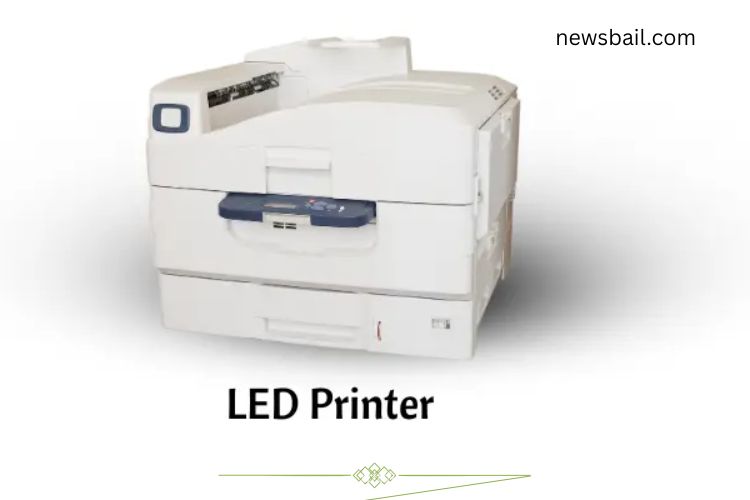
LED printers, or Light Emitting Diode printers, are a type of digital printer that uses tiny LED lights to produce high-quality prints efficiently. Unlike traditional laser printers, LED printers rely on rows of light-emitting diodes to form images on a drum, which then transfers toner onto paper. Known for their compact design, low noise, and energy efficiency, LED printers have become a popular choice for homes, offices, and businesses worldwide.
Read More: Unleashing the Hidden Power of Embedded Computers: Transform, Innovate, and Revolutionize Technology
The Evolution of LED Printers
The first LED printers were introduced by OKI in the 1980s. Unlike conventional laser printers, these machines used an array of LED lights to create images, which made them quieter, smaller, and more energy-efficient. Early adopters appreciated their reliability and high-quality output. Over the decades, LED printers evolved, becoming more affordable and versatile. Today, they are a staple in offices, schools, and homes, providing consistent performance for both text and graphics.
How LED Printers Work
LED printers function through a precise sequence of steps to produce sharp, clean prints:
- Image Formation: LED lights illuminate the drum to create the desired image.
- Toner Application: The drum attracts toner particles to the areas where the image is formed.
- Transfer to Paper: Paper passes over the drum, picking up the toner.
- Fusing: Heat and pressure fix the toner permanently onto the paper.
This technology allows LED printers to deliver high-resolution prints quickly and with minimal maintenance, making them an efficient choice for everyday printing tasks.
Types of LED Printers
LED printers come in several varieties, each tailored to specific printing needs. Choosing the right type ensures optimal performance for your home, office, or business environment.
- Monochrome LED Printers: Print exclusively in black and white. Ideal for text-heavy documents, they offer fast printing speeds and low running costs. Perfect for offices or personal use where color printing is rarely needed.
- Colour LED Printers: Capable of printing full-colour documents, including images and graphics. They suit businesses, schools, or home offices that require vibrant, professional-quality prints.
- Multifunction LED Printers: These devices combine printing, scanning, copying, and sometimes faxing in a single unit. They save space, reduce costs, and are perfect for busy offices or small businesses.
- Compact LED Printers: Smaller in size but powerful in performance. Designed for personal or small office use, they offer convenience without sacrificing quality.
Practical Uses of LED Printers
LED printers are highly versatile and used in a wide range of settings:
- Offices: Handling large volumes of paperwork quickly and cost-effectively.
- Home Use: Printing assignments, documents, and personal projects efficiently.
- Schools and Libraries: Printing educational materials, homework, and reading resources.
- Retail Stores: Producing receipts, price tags, and promotional materials.
- Healthcare: Printing patient records, prescriptions, and forms.
- Design and Creative Work: Producing high-quality graphics, presentations, and marketing materials.
- Government and Nonprofits: Printing forms, flyers, and official documents.
This adaptability makes LED printers a reliable choice across industries and personal applications.
LED Printers in Business and Retail
Businesses benefit greatly from LED printers due to their efficiency and versatility. In retail and packaging industries, LED printers serve several purposes:
- Product Labels and Price Tags: Print clear, legible labels and tags for store items.
- Display Materials: Produce signage and promotional graphics for shelves or displays.
- Packaging and Branding: Print logos, designs, and marketing materials directly onto packaging.
- Bulk Printing: Handle high-volume print jobs quickly and reliably.
- Marketing Materials: Create colorful flyers, brochures, and posters to boost brand visibility.
These features make LED printers an essential tool for companies aiming to improve productivity and reduce printing costs.
Advantages of LED Printers
LED printers offer numerous benefits over traditional printers, making them a preferred option for many users:
- Cost-Effective: Lower purchase and running costs compared to laser printers.
- Compact Design: Small footprint saves space in offices and homes.
- Energy Efficient: Consume less power, reducing electricity bills.
- Quiet Operation: Produce minimal noise, suitable for shared workspaces.
- Fast Printing: Efficient printing for both text and simple graphics.
- High-Quality Output: Sharp and clear prints for professional use.
- Low Maintenance: Require fewer repairs and last longer than other printers.
- Eco-Friendly: Less energy consumption and toner usage benefit the environment.
- Versatile Use: Ideal for personal, educational, or small office applications.
Limitations of LED Printers
While LED printers have many advantages, they also have some drawbacks:
- Limited Colour Options: Many models are monochrome only.
- Expensive Colour Models: Colour LED printers can be costly.
- Slower with High Volume: Performance may drop when printing large quantities.
- Photo Printing: Not ideal for high-quality photo prints compared to inkjet printers.
- Toner Costs: Replacement toner cartridges can be pricey.
- Limited Features: Some models lack scanning, copying, or faxing capabilities.
- Paper Handling: May struggle with thick or specialty paper.
Understanding these limitations helps users choose a printer that matches their specific needs.
Choosing the Right LED Printer
Selecting the right LED printer depends on your printing habits and requirements:
- Volume: High-volume users may prefer monochrome or multifunction models.
- Colour Needs: Consider colour printers for marketing or design tasks.
- Space Constraints: Compact models are ideal for small offices or home use.
- Functionality: Multifunction printers provide scanning, copying, and faxing in one device.
- Budget: Factor in both initial cost and ongoing toner expenses.
By assessing these factors, you can find an LED printer that balances performance, efficiency, and affordability.
Frequently Asked Questions:
What is an LED printer?
An LED printer (Light Emitting Diode printer) uses tiny LED lights to form images on a drum, which then transfers toner onto paper. It is known for being fast, quiet, and energy-efficient.
How does an LED printer work?
LED printers use rows of LEDs to create a digital image on a drum. Toner sticks to the drum in the shape of the image, and heat fuses it onto the paper, producing sharp, clear prints.
Where are LED printers commonly used?
They are used in homes, offices, schools, libraries, retail stores, healthcare facilities, design studios, and government offices due to their efficiency and versatility.
Are LED printers better than laser printers?
LED printers are generally quieter, smaller, and more energy-efficient than laser printers. They also require less maintenance, though laser printers may offer faster speeds for very high-volume printing.
Can LED printers print photos?
LED printers are suitable for text and basic graphics, but they are not ideal for high-quality photo printing compared to inkjet printers.
What are the advantages of using an LED printer?
They are cost-effective, energy-efficient, quiet, compact, fast, and provide sharp, clear prints. They also have a longer lifespan and require less maintenance.
What are the disadvantages of LED printers?
Colour LED printers can be expensive, photo printing is limited, toner replacement can cost more, and some models lack advanced features like scanning or copying.
Conclusion
LED printers have revolutionized the way we print, offering a perfect blend of speed, efficiency, and high-quality output. Compact, quiet, and energy-efficient, they are ideal for homes, offices, schools, and businesses alike. With options ranging from monochrome to multifunction and colour models, LED printers cater to a variety of needs while saving time, space, and costs. Although they may not replace inkjets for detailed photo printing, their reliability, low maintenance, and sharp results make them a smart choice for everyday printing tasks. Embracing LED printer technology ensures a seamless, professional, and eco-friendly printing experience for modern users.