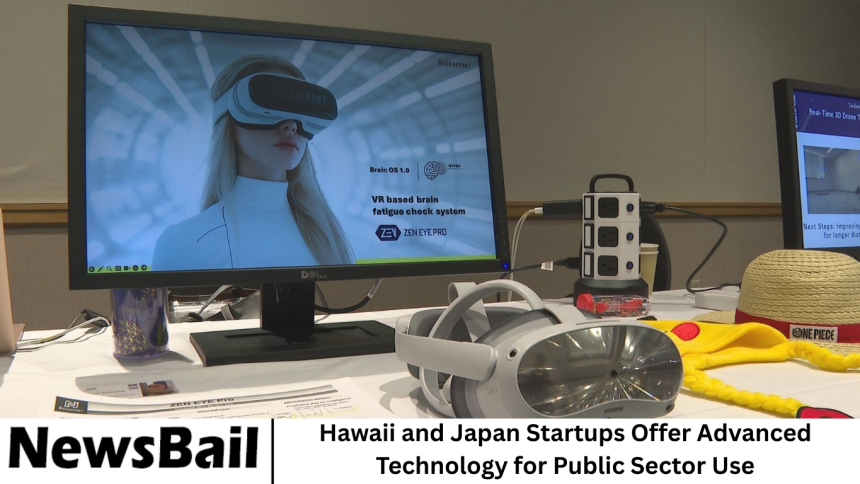
Today, entrepreneurs from both regions are collaborating on innovations designed specifically for government use. These technologies range from artificial intelligence tools and environmental monitoring systems to disaster response platforms and smart infrastructure solutions.
Startup companies often bring creativity and agility that traditional institutions may lack. Governments, on the other hand, provide the scale and resources needed to implement technologies that can benefit entire communities. When these two forces work together, the result can be powerful innovations.
Events and technology programs in Hawaii have recently showcased how startups from both Hawaii and Japan are presenting advanced solutions aimed at helping government agencies. These innovations are designed to improve efficiency, strengthen security, and prepare communities for future challenges.
More Read: Hazelwood Robotics Center Sparks Growth in the Local Tech Community
The Growing Technology Partnership Between Hawaii and Japan
The partnership between Hawaii and Japan is rooted in decades of cultural exchange, trade, and diplomatic cooperation. Japan has long been one of Hawaii’s strongest economic partners, particularly in tourism and investment. However, in recent years, technology collaboration has become an increasingly important part of the relationship.
Hawaii’s position between North America and Asia allows it to serve as a meeting point for innovators from both regions. This has encouraged governments, universities, and technology organizations to create programs that bring entrepreneurs together to develop new solutions.
Japanese startups are known for their strong engineering capabilities and expertise in robotics, advanced electronics, and disaster resilience technologies. Meanwhile, Hawaii’s growing startup ecosystem focuses on sustainability, renewable energy, ocean technology, and climate resilience.
When these strengths are combined, startups from both regions can create powerful solutions designed to address global challenges. Government agencies are particularly interested in these technologies because they can improve infrastructure, enhance environmental monitoring, and support public safety initiatives.
Why Governments Are Turning to Startups for Innovation
Historically, governments relied on large corporations to develop technology solutions. While these companies continue to play an important role, startups have become a key driver of innovation.
Startups offer several advantages that make them attractive partners for government agencies.
- First, startups tend to innovate quickly. They can experiment with new ideas and develop prototypes faster than larger organizations. This speed allows governments to test new technologies without long development timelines.
- Second, startups often focus on emerging technologies such as artificial intelligence, robotics, data analytics, and advanced sensors. These innovations can help governments modernize outdated systems and improve efficiency.
- Third, startups are highly adaptable. They can modify their technologies based on feedback from government partners and real-world testing.
Finally, startups frequently bring fresh perspectives to complex problems. Because they are not bound by traditional approaches, they may identify creative solutions that established organizations might overlook.
For governments facing growing challenges such as climate change, cybersecurity threats, and infrastructure demands, these innovative approaches are extremely valuable.
Key Technologies Being Offered to Government Agencies
Startups from Hawaii and Japan are developing a wide variety of technologies designed to support government operations. These innovations span multiple industries and address a range of public-sector challenges.
Environmental Monitoring Technologies
Environmental protection is a critical concern for governments around the world. Climate change, pollution, and ecosystem degradation require accurate data and effective monitoring tools.
Startups are creating advanced systems that allow governments to track environmental changes in real time. These technologies may include sensors that measure air and water quality, satellite-based monitoring platforms, and artificial intelligence tools that analyze environmental data.
For island regions such as Hawaii, monitoring ocean health and coastal ecosystems is particularly important. Technologies that track coral reef conditions, ocean temperatures, and marine biodiversity help policymakers make informed decisions about conservation and environmental management.
Japanese startups have also contributed advanced environmental technologies that can monitor natural resources and detect environmental risks before they become major problems.
Disaster Preparedness and Emergency Response
Japan has extensive experience with natural disasters, including earthquakes, tsunamis, and typhoons. As a result, Japanese technology companies have developed sophisticated systems designed to improve disaster preparedness.
Startups are now adapting these technologies for use by government agencies in other regions, including Hawaii. By working together, Hawaii and Japan startups are developing solutions that improve disaster resilience for communities around the world.
Examples of disaster-response technologies include early warning systems powered by artificial intelligence, emergency communication platforms that operate even when infrastructure is damaged, and drone systems that can quickly assess damage after a disaster.
These tools help emergency responders gather information quickly and coordinate relief efforts more effectively. Faster response times can save lives and reduce the economic impact of disasters.
Maritime Technology and Ocean Monitoring
The Pacific Ocean plays a vital role in global trade, security, and environmental sustainability. Governments must monitor maritime activity to ensure safe shipping, protect marine ecosystems, and prevent illegal activities.
Startups in Hawaii and Japan are introducing advanced maritime technologies that help governments monitor ocean activity more effectively. These innovations include autonomous marine vehicles, smart buoys equipped with sensors, and artificial intelligence systems that analyze shipping patterns.
Maritime surveillance technologies can detect illegal fishing operations, track ship movements, and identify potential environmental hazards such as oil spills. Ocean monitoring technologies also support scientific research and help governments manage marine resources more sustainably.
Smart Infrastructure Solutions
Modern cities depend on efficient infrastructure systems that support transportation, energy distribution, water management, and communication networks. Startups are developing smart infrastructure technologies that allow governments to monitor and optimize these systems.
Smart sensors can detect structural weaknesses in bridges or buildings, allowing governments to address maintenance issues before they become serious safety risks.
Traffic management systems powered by artificial intelligence can analyze traffic patterns and adjust signals to reduce congestion. These technologies improve transportation efficiency and reduce pollution caused by vehicle emissions.
Energy management platforms can monitor electricity usage and help governments improve energy efficiency in public buildings. Smart infrastructure technologies are becoming essential tools for governments seeking to build sustainable and resilient cities.
Renewable Energy and Sustainable Technology
Both Hawaii and Japan are actively investing in renewable energy technologies to reduce reliance on fossil fuels and combat climate change.Startups in these regions are developing innovative solutions that help governments transition to cleaner energy sources.
Examples include advanced solar power systems, smart energy grids that balance electricity supply and demand, and battery storage technologies that allow renewable energy to be used more efficiently. Hawaii, in particular, has ambitious goals for renewable energy adoption, and startups are playing an important role in helping the state achieve these targets.
Japanese companies also contribute expertise in energy efficiency technologies, including advanced power management systems and next-generation batteries. Together, these innovations support government efforts to create sustainable energy systems for the future.
Innovation Programs Supporting Startup Collaboration
The partnership between Hawaii and Japan startups has been strengthened by innovation programs designed to connect entrepreneurs with government agencies.
These programs often include startup accelerators, innovation workshops, and technology demonstration events. Such initiatives allow startups to present their solutions to government officials, investors, and industry experts.
- Startup accelerators provide mentorship, business development support, and opportunities for companies to test their technologies in real-world environments.
- For government agencies, these programs offer a chance to discover new technologies that may improve public services or solve operational challenges.
- Collaboration programs also help startups navigate government procurement systems, which can be complex and difficult for small companies to access.
By bringing innovators and policymakers together, these programs create an environment where new ideas can flourish.
The Strategic Role of Hawaii in Pacific Innovation
Hawaii occupies a unique position in the global technology landscape. Its location in the Pacific Ocean makes it a natural hub for international collaboration.
Several factors contribute to Hawaii’s importance as a technology innovation center.
- First, its geographic position between North America and Asia allows it to serve as a meeting place for companies from both regions.
- Second, Hawaii’s diverse population includes strong cultural connections with Japan and other Asian countries, making collaboration easier.
- Third, the state hosts important research institutions and universities that support scientific and technological development.
Finally, Hawaii’s environment provides an ideal testing ground for technologies related to climate resilience, renewable energy, and ocean monitoring. These factors make Hawaii a valuable location for innovation programs that bring together startups from around the world.
Challenges Facing Startup–Government Collaboration
Despite the many opportunities for collaboration, startups working with government agencies often face several challenges.
- One major challenge is navigating government regulations and procurement processes. Government systems can be complex, and startups may struggle to understand the requirements for securing contracts.
- Funding is another challenge. Developing advanced technologies often requires significant financial resources, and startups must balance innovation with financial sustainability.
- Security requirements can also present obstacles, particularly when technologies are intended for government or defense applications.
Finally, scaling technology solutions to meet the needs of large government systems can be difficult for small companies. Overcoming these challenges requires strong partnerships, supportive policies, and access to funding programs that help startups grow.
Future Opportunities for Hawaii–Japan Technology Collaboration
The partnership between Hawaii and Japan startups is likely to expand in the coming years as governments continue to seek innovative solutions. Future opportunities may include increased investment in research and development, expanded technology exchange programs, and new funding initiatives for startup innovation.
Collaboration between universities in Hawaii and Japan may also lead to joint research projects that develop advanced technologies for public-sector use. As global challenges such as climate change, cybersecurity threats, and natural disasters become more complex, international cooperation will become even more important.
Startups that combine expertise from multiple countries will be better positioned to create solutions that address these challenges.
Frequently Asked Question
Why are Hawaii and Japan startups collaborating on public-sector technology?
Hawaii acts as a bridge between the United States and Asia, making it an ideal location for collaboration.
What types of technologies are these startups developing?
They are developing technologies in areas such as artificial intelligence, renewable energy, environmental monitoring, smart infrastructure, maritime security, and disaster response.
How do startups help government agencies innovate?
Startups bring creativity, flexibility, and rapid development capabilities. They can create innovative solutions faster than traditional organizations, helping governments modernize their systems.
Why is Hawaii important for international technology partnerships?
Hawaii’s geographic location, cultural connections, and growing technology ecosystem make it an ideal meeting point for innovators from the United States and Asia.
What are smart infrastructure technologies?
Smart infrastructure technologies use sensors, data analytics, and automation to monitor and manage public infrastructure such as transportation systems, energy networks, and buildings.
What challenges do startups face when working with governments?
Startups may face challenges such as complex regulations, limited funding, strict security requirements, and difficulties scaling technologies for large public systems.
What is the future of collaboration between Hawaii and Japan startups?
The partnership is expected to grow through increased investment, expanded innovation programs, and deeper collaboration between governments, universities, and technology companies.
Conclusion
The collaboration between Hawaii and Japan startups represents a powerful example of how international partnerships can drive innovation in the public sector. By bringing together entrepreneurs, researchers, and government agencies, these partnerships are producing technologies that improve public safety, protect the environment, and support sustainable development.