

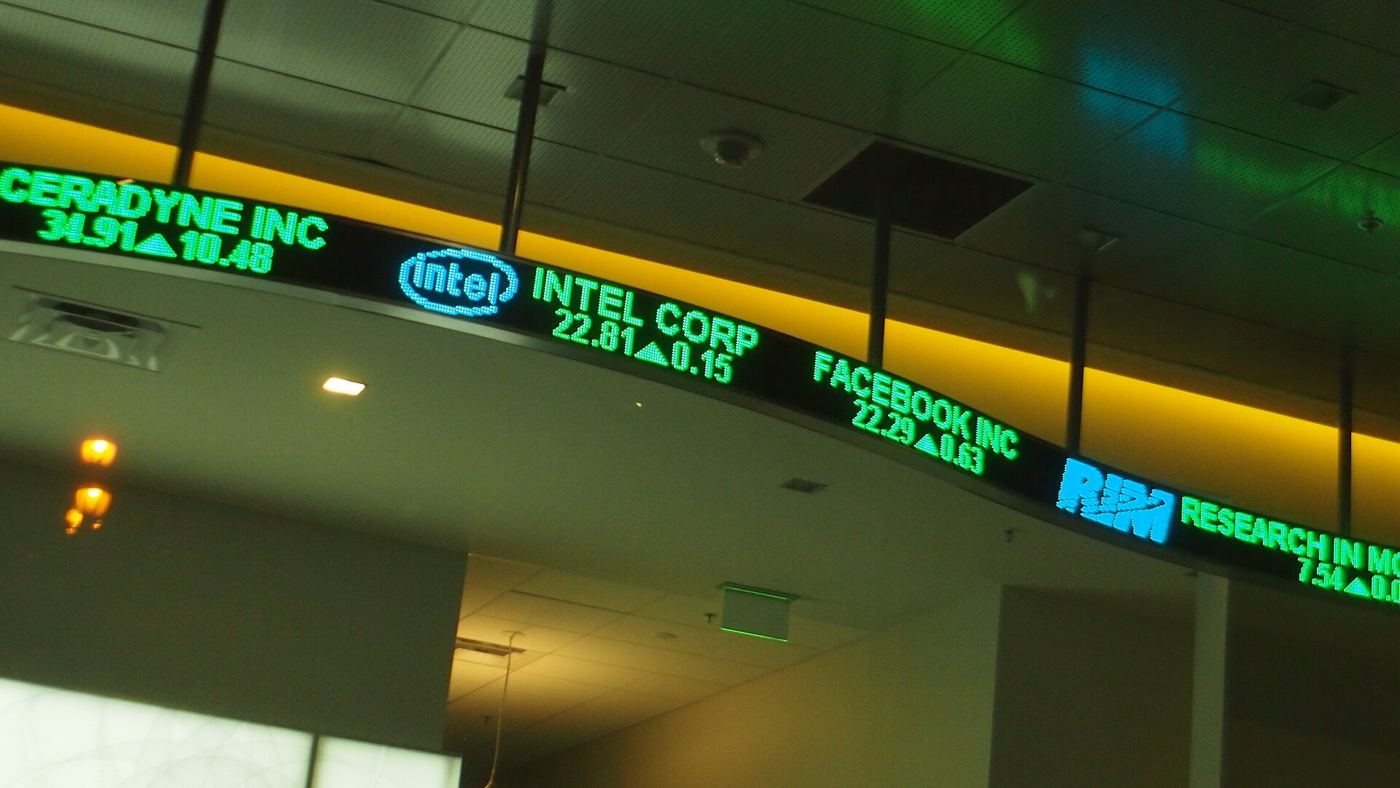
Nasdaq 100 futures rose about 3 percent on Monday November 23 2026, and S and P 500 futures gained about 2 percent, as Wall Street attempted a rebound after its worst week since March 2020. The Nasdaq Composite had plunged 5.3 percent on Friday to 22617, falling 10 percent over the week, while the S and P 500 dropped 3.7 percent to 6910 and entered correction territory. Futures on the Dow Jones Industrial Average gained about 1.9 percent, or nearly 800 points, in early trading. The recovery was helped by Asian authorities stepping in to support their own markets, with China cutting margin requirements and state funds buying a record amount of exchange traded funds.
What the Evidence Shows
The rebound came after a week in which world shares fell 8.1 percent and the Nasdaq gave up all of its gains for 2026, driven by Nvidia’s leadership crisis, a weak debut for Anthropic’s record listing, and a Federal Reserve that is still raising rates. A gauge of expected Nasdaq 100 volatility stands at its highest since April 2020, a sign of how nervous investors remain. Nvidia rose about 8.5 percent in premarket trading after falling 14 percent on Friday, while Anthropic gained about 3 percent after closing at 88.90 dollars. The test now is whether the bounce holds when American markets open, or whether it proves to be a brief pause in a deeper selloff. Reporting and analysis from sources such as World Bank track the same developments, and specialists following Nasdaq futures jumping 3 percent say the direction is now consistent across independent lines of evidence.
The Wider Context
For households and small firms, Nasdaq futures jumping 3 percent matters through prices and access rather than through market commentary. Changes at this level arrive as a rate on an offer letter, a fee on a statement or a product that quietly disappears from a comparison table. Consumer groups argue that transparency at exactly that point of decision is worth more than any amount of market-level reporting.
What Happens Next
The outlook for Nasdaq futures jumping 3 percent hinges on policy choices that will be made in the open over the coming quarters. Market participants are positioned for more than one outcome, which is why the immediate reaction to each announcement has been smaller than the commentary around it. For ordinary savers and borrowers, the advice from every quarter is the same: review your own position, not the headlines. You can follow related developments in our coverage of finance.
It is also worth remembering how quickly the picture in this area has changed before. Positions that looked settled a few years ago have been revised as new data arrived, and the same humility is appropriate now. The strongest coverage of this subject, and the most useful advice, tends to come from sources that update their views openly when the facts move, rather than defending an earlier position long after it has stopped fitting the evidence available.
