

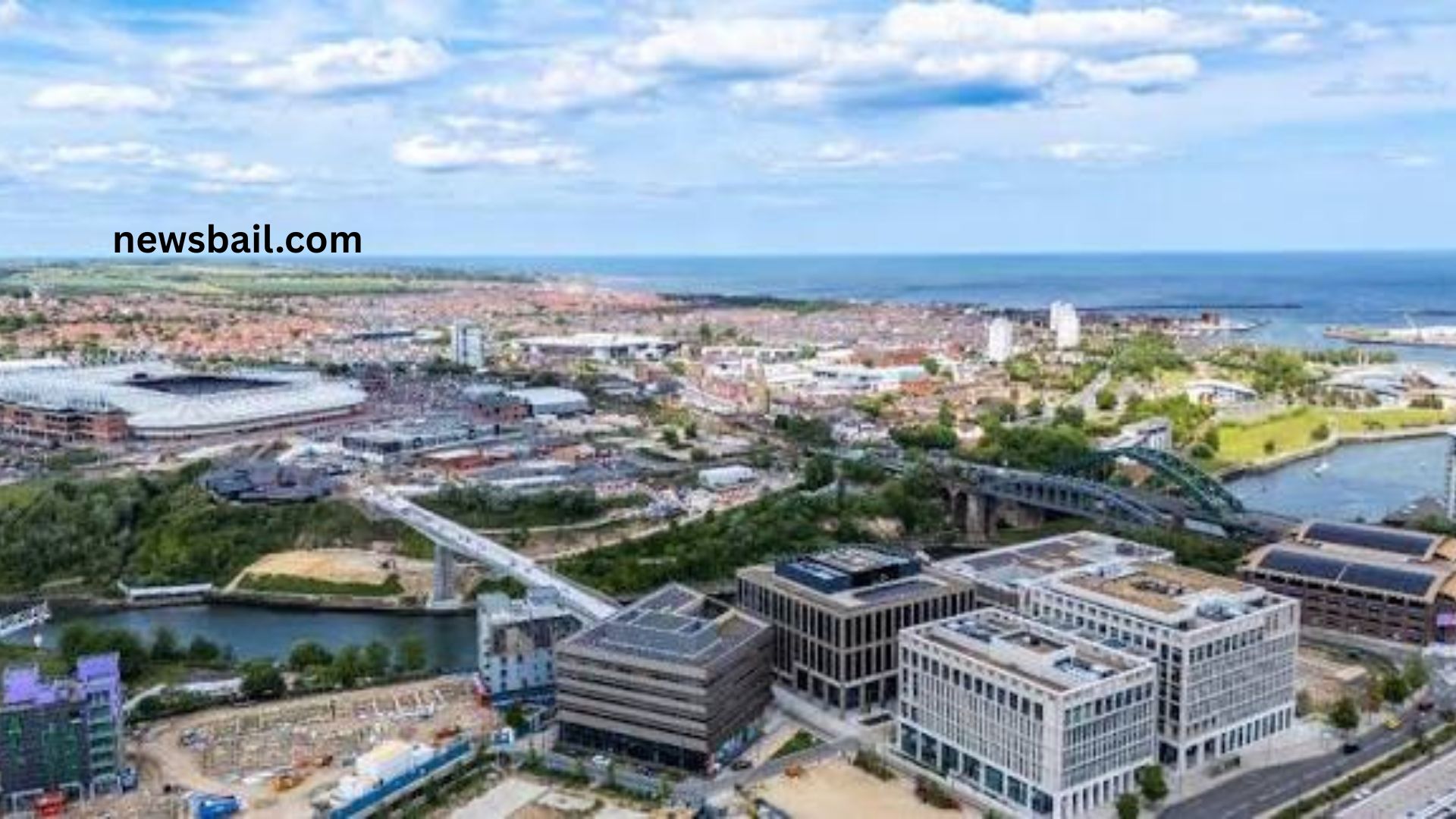
Future Sunderland represents a long-term vision reshaping urban identity through sustainable development, community participation, and economic renewal. The city of Sunderland, located in North East England, experiences transformation driven by regeneration projects, green infrastructure, and innovation-led investment. This review explores how Future Sunderland influences urban life, environmental progress, housing evolution, transport modernization, and economic diversification while maintaining local heritage and cultural identity.
The initiative focuses on building a resilient city that balances growth with environmental responsibility. Sunderland moves beyond traditional industrial roots toward a modern urban ecosystem designed for future generations.
Read More: Mexico Mark Review: Heritage, Quality and Global Craftsmanship
Vision Behind Future Sunderland
Future Sunderland centers on a strategic ambition to create a cleaner, smarter, and more inclusive city. The vision prioritizes sustainability, digital transformation, and social wellbeing. Urban planners and local authorities collaborate to deliver infrastructure aligned with climate goals and economic competitiveness.
Key vision pillars include:
- Net-zero carbon commitment
- Digital innovation integration
- Affordable and modern housing expansion
- Sustainable transport systems
- Community-led regeneration
The city aims to position itself as a model for medium-sized urban centers transitioning from industrial economies to knowledge-based ecosystems.
Urban Regeneration and City Transformation
Sunderland undergoes significant regeneration across multiple districts. Former industrial zones evolve into mixed-use developments combining residential, commercial, and leisure spaces. This transformation reflects a broader shift toward urban density optimization and land reuse.
Major regeneration trends include:
Waterfront Redevelopment
The River Wear waterfront becomes a focal point of transformation. Old shipbuilding and dockland areas convert into residential neighborhoods, cultural hubs, and commercial districts. Public spaces along the river improve accessibility and aesthetic appeal.
City Centre Revitalization
Retail and business districts receive upgrades to attract investment and tourism. Modern architecture integrates with preserved historical structures, maintaining cultural continuity while supporting economic modernization.
Brownfield Site Conversion
Unused industrial land repurposed for housing and innovation parks reduces urban sprawl. These developments support population growth while preserving greenbelt areas surrounding the city.
Sustainable Development Strategy
Sustainability remains central to Future Sunderland planning. The city adopts environmental policies targeting carbon neutrality, energy efficiency, and climate resilience.
Green Building Standards
New construction projects follow strict environmental guidelines. Energy-efficient materials, low-emission systems, and smart building technologies reduce environmental impact.
Renewable Energy Adoption
Wind energy and offshore renewable projects contribute to regional power supply. Sunderland benefits from proximity to North Sea wind farms, supporting clean energy integration.
Waste Reduction and Circular Economy
Recycling initiatives and circular economy models reduce landfill dependency. Businesses encouraged to reuse materials and optimize resource efficiency.
Urban Green Spaces
Expansion of parks, tree planting programs, and ecological corridors improve air quality and biodiversity. Green spaces also enhance mental health and community wellbeing.
Transport Innovation and Connectivity
Transportation plays a vital role in urban transformation. Future Sunderland prioritizes sustainable mobility and improved connectivity across the region.
Electric Public Transport
Bus fleets transition toward electric and low-emission vehicles. Charging infrastructure expands to support widespread adoption of electric mobility.
Cycling and Walking Infrastructure
Dedicated cycling lanes and pedestrian-friendly pathways encourage active transportation. Reduced reliance on private cars contributes to lower emissions and improved urban health.
Rail and Regional Links
Rail connectivity improvements strengthen links between Sunderland and major UK cities. Faster and more reliable services support commuting and business travel.
Smart Mobility Systems
Digital transport platforms integrate real-time data for traffic management and public transport optimization. Smart mobility enhances efficiency and reduces congestion.
Housing Development and Urban Living
Housing remains a core focus of Future Sunderland, addressing affordability, quality, and sustainability. Urban living standards improve through diverse housing strategies.
Affordable Housing Expansion
New residential projects include affordable housing units designed for families, students, and professionals. Balanced housing supply supports population growth and social stability.
Smart Homes Integration
Modern housing developments incorporate smart technologies for energy management, security, and convenience. Automation systems improve daily living efficiency.
Community-Centered Design
Neighborhood planning emphasizes social interaction, shared spaces, and accessibility. Mixed-use developments create integrated living environments.
Renovation of Existing Housing Stock
Older housing areas receive refurbishment to improve energy efficiency and living conditions. This approach preserves community identity while upgrading infrastructure.
Economic Growth and Investment
Future Sunderland drives economic diversification by attracting investment in technology, manufacturing, and creative industries. The city transitions from traditional heavy industry to a modern economic structure.
Technology and Digital Economy
Digital startups and tech companies find opportunities in Sunderland’s innovation hubs. Focus areas include software development, data analytics, and smart city solutions.
Advanced Manufacturing
The city continues its legacy in manufacturing through automation, robotics, and clean production techniques. Industrial parks support high-value production sectors.
Education and Skills Development
Local universities and training centers align programs with future job markets. Skill development initiatives prepare workforce for digital and green economy roles.
Foreign and Domestic Investment
Improved infrastructure and strategic planning attract investors seeking long-term growth opportunities. Sunderland becomes a competitive location for business expansion.
Community Engagement and Social Impact
Community participation remains essential in shaping Future Sunderland. Residents actively contribute to planning decisions, ensuring inclusive development.
Public Consultation Programs
City planners engage citizens through workshops, surveys, and digital platforms. Feedback mechanisms guide development priorities.
Social Inclusion Initiatives
Programs support vulnerable populations, reduce inequality, and improve access to services. Community centers and social programs strengthen local networks.
Cultural Preservation
Heritage sites and local traditions remain protected amid modernization. Cultural events celebrate Sunderland’s identity and history.
Health and Wellbeing Focus
Urban design incorporates health considerations, including access to recreational spaces, clean air, and active lifestyles.
Education and Innovation Ecosystem
Education plays a transformative role in Future Sunderland. Institutions contribute to research, innovation, and workforce readiness.
University Collaboration
Universities collaborate with industries to develop research programs in engineering, technology, and sustainability. These partnerships drive innovation.
Research and Development Hubs
Innovation districts support startups and research projects focused on smart cities, renewable energy, and digital solutions.
Youth Development Programs
Educational initiatives for young people focus on digital skills, entrepreneurship, and creative industries. These programs prepare future leaders.
Environmental Resilience and Climate Adaptation
Climate resilience forms a critical part of Sunderland’s long-term planning. The city implements strategies to mitigate environmental risks.
Flood Defense Systems
Riverfront protection and drainage improvements reduce flood risks associated with climate change and rising sea levels.
Air Quality Improvement
Reduced industrial emissions and increased green transport options improve urban air quality.
Sustainable Water Management
Efficient water systems and conservation initiatives ensure long-term resource stability.
Challenges in Urban Transformation
Despite progress, Future Sunderland faces challenges that require continuous attention.
Funding and Investment Gaps
Large-scale infrastructure projects require sustained financial support from public and private sectors.
Social Transition Pressure
Rapid urban change may create adjustment challenges for long-term residents.
Environmental Balance
Maintaining ecological integrity while expanding urban areas requires careful planning.
Economic Competition
Competing with larger UK cities for investment remains an ongoing challenge.
Future Outlook
Future Sunderland continues evolving as a model of sustainable urban regeneration. The city’s trajectory indicates steady progress toward a low-carbon, digitally connected, and socially inclusive urban environment.
Key future expectations include:
- Expansion of smart city infrastructure
- Growth in green energy employment
- Enhanced regional and global connectivity
- Increased housing sustainability standards
- Stronger cultural and creative sectors
Sunderland’s transformation demonstrates how mid-sized cities adapt to global economic and environmental shifts while maintaining local identity.
Frequently Asked Questions
Frequently Asked Questions
What is Future Sunderland?
Future Sunderland is a long-term urban development initiative focused on transforming Sunderland into a sustainable, modern, and economically diverse city through regeneration, green infrastructure, and innovation-led growth.
Why is sustainable growth important in Sunderland?
Sustainable growth helps reduce carbon emissions, improves living standards, supports green jobs, and ensures that urban expansion does not damage natural resources or future environmental balance.
3. What areas are being regenerated under Future Sunderland?
Key regeneration areas include the River Wear waterfront, city centre districts, and former industrial brownfield sites that are being converted into housing, business, and leisure spaces.
How is transport improving in Future Sunderland?
Transport improvements include electric buses, better cycling routes, pedestrian-friendly zones, improved rail links, and smart mobility systems for efficient travel management.
Is housing becoming more affordable in Sunderland?
Yes, new housing developments include affordable homes, renovated older properties, and smart housing projects designed to support families, students, and professionals.
What role does technology play in Sunderland’s future?
Technology supports digital economy growth, smart city infrastructure, innovation hubs, and improved public services through data-driven urban management systems.
How is the environment protected in this development plan?
Environmental protection includes renewable energy use, green building standards, expanded parks, tree planting, waste reduction programs, and climate resilience strategies.
Conclusion
Future Sunderland reflects a comprehensive urban transformation strategy integrating sustainability, economic renewal, and community empowerment. The city evolves from its industrial heritage into a modern, resilient urban center aligned with environmental responsibility and technological advancement.
Through regeneration projects, green infrastructure, and inclusive planning, Sunderland builds a future-oriented identity. The balance between innovation and heritage ensures long-term stability and cultural continuity. The ongoing journey positions Sunderland as a benchmark for sustainable urban development in the modern era.
