

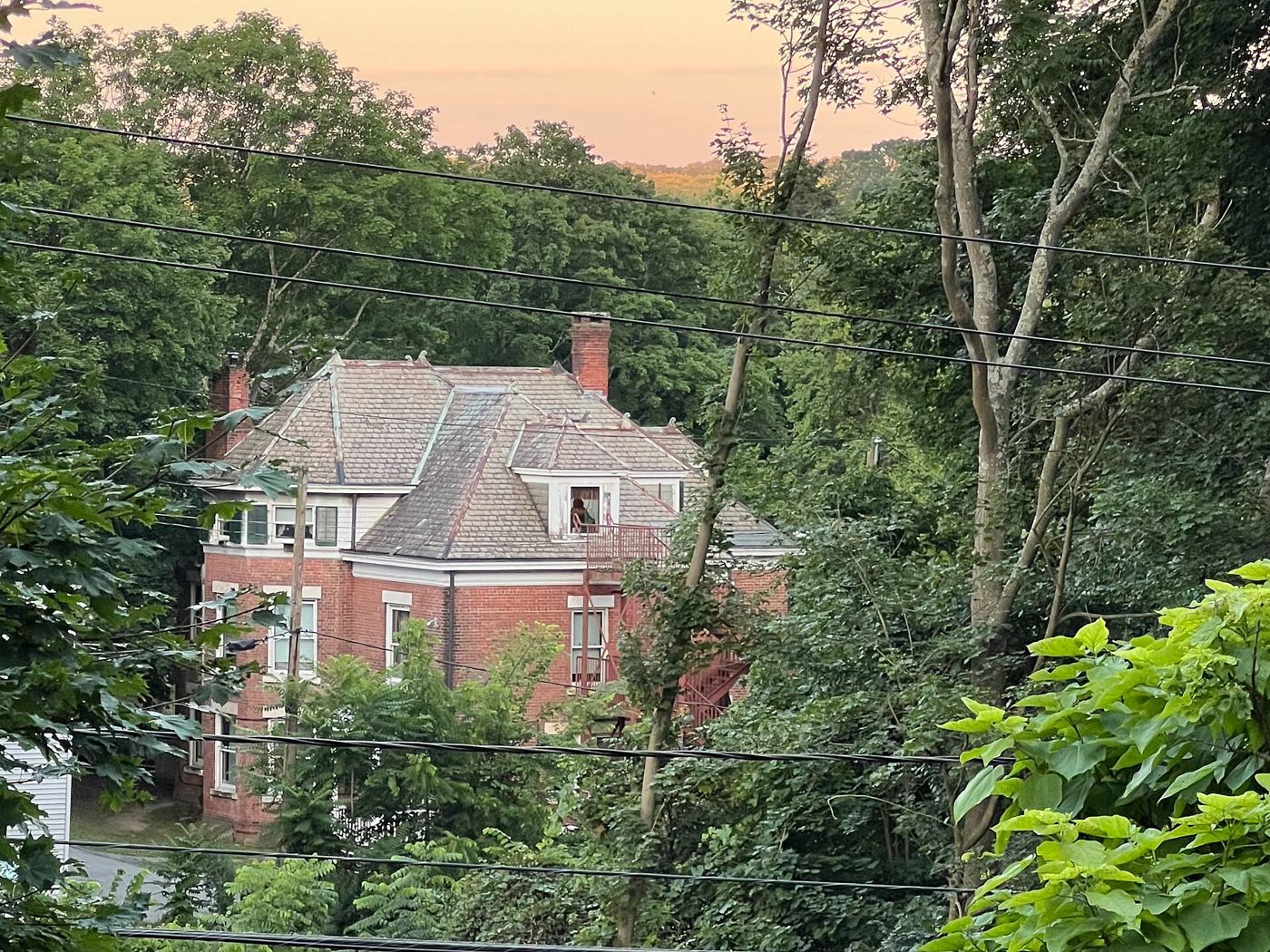
Viewing weekends are being organised to help renters compare new homes calmly, replacing rushed weekday appointments with unhurried slots where families can ask questions and picture daily life in each place. Housing teams say finding a home has become stressful for many renters, with homes let quickly and decisions expected on the spot. The weekend format groups several homes in one neighbourhood, provides clear information on rent, bills, transport and schools in advance and gives visitors time to revisit a favourite before deciding. Staff are encouraging viewers to check the practical details that matter in winter: heating, storage, laundry space, natural light and the walk to the bus stop after dark. Families say the calmer pace helps children have a say and lets everyone compare homes on the same day while impressions are fresh. Landlords taking part agree to hold homes for a short, clearly explained period rather than pressuring for instant commitments. Organisers hope the approach builds trust in a market where both renters and good landlords benefit from decisions made with open eyes.
What the Evidence Shows
Coordinators of calmer home viewing weekends say preparation is what makes them work, with accurate floor plans, honest photographs and total monthly costs shared before anyone travels. Checklists are provided so visitors compare like with like, from council tax bands to broadband speeds and bin days. Staff are on hand to explain tenancy terms in plain language and to note accessibility needs for follow-up viewings. Feedback from renters is shaping which homes are offered next, particularly the demand for small houses and ground-floor flats near transport. Landlords, in turn, meet reliable tenants face to face, which many say they value more than a fast, anonymous let. Any home not taken stays listed openly, with no penalty for viewers who decide it is not right. Organisers believe slower, clearer viewings lead to longer, happier tenancies, with fewer moves ending early because a home never really fitted the life lived in it. Reporting and analysis from sources such as Associated Press track the same developments, and specialists following calmer home viewing weekends say the direction is now consistent across independent lines of evidence.
The Wider Context
Regional and local reporting on calmer home viewing weekends often tells a different story from national coverage, because the effects land unevenly: one town’s pilot is another’s distant proposal. Analysts who follow the subject full-time read the local data first, arguing that national averages conceal the variation that decides whether a policy or a project deserves to spread.
What Happens Next
The longer story of calmer home viewing weekends is still being written by the people closest to it, whose experience rarely matches the earliest predictions of either supporters or critics. Reporting will continue to follow the evidence as it accumulates, including where it complicates today’s account. That is the deal serious coverage makes with its readers, and it holds for this subject as for any other. You can follow related developments in our coverage of news.
It is also worth remembering how quickly the picture in this area has changed before. Positions that looked settled a few years ago have been revised as new data arrived, and the same humility is appropriate now. The strongest coverage of this subject, and the most useful advice, tends to come from sources that update their views openly when the facts move, rather than defending an earlier position long after it has stopped fitting the evidence available.
