

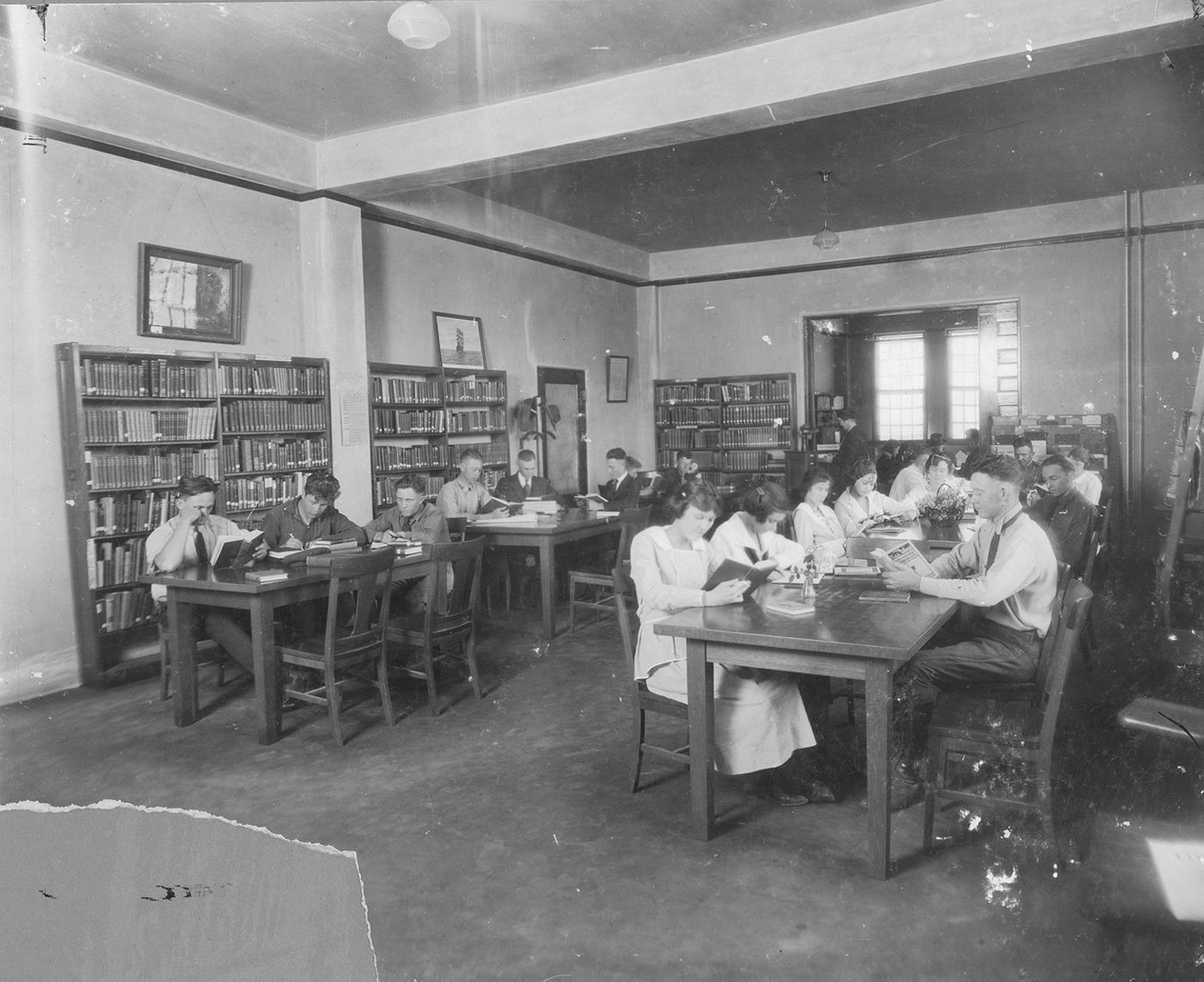
One of the city’s quietest treasures is being carefully renewed, as a public library reading room undergoes refurbishment that promises better light, warmer seating and desks fit for modern study. Librarians say the room’s character, its long tables, tall windows and hush, will be preserved, while worn wiring, heating and shelving are brought up to date. Readers will be offered temporary space elsewhere in the building during the work, and popular reference collections are being kept available rather than placed in storage. The project follows consultation in which users asked above all that the room should remain a place for unhurried reading. Donations and a local heritage grant are helping to fund the work, and a small exhibition about the room’s history will greet readers when they return to it.
What the Evidence Shows
Reading rooms serve a mixture of students, researchers, jobseekers and people who simply value a warm, free place to sit with a book or newspaper. The refurbishment adds more power points for laptops, improved lighting for older eyes and some bookable desks for group work at the edges of the room. Archivists have used the closure to check the local history collection, repairing bindings and improving catalogues so material is easier to request when the room reopens. Staff hope the refreshed space will welcome back loyal readers and attract new ones who have never considered the library a workplace. A reopening date will be confirmed once final checks on heating and fire systems are complete. Staff say enquiries about the room have already increased since the plans were displayed. Reporting and analysis from sources such as Associated Press track the same developments, and specialists following library reading room refurbishment say the direction is now consistent across independent lines of evidence.
The Wider Context
Regional and local reporting on library reading room refurbishment often tells a different story from national coverage, because the effects land unevenly: one town’s pilot is another’s distant proposal. Analysts who follow the subject full-time read the local data first, arguing that national averages conceal the variation that decides whether a policy or a project deserves to spread.
What Happens Next
The longer story of library reading room refurbishment is still being written by the people closest to it, whose experience rarely matches the earliest predictions of either supporters or critics. Reporting will continue to follow the evidence as it accumulates, including where it complicates today’s account. That is the deal serious coverage makes with its readers, and it holds for this subject as for any other. You can follow related developments in our coverage of news.
It is also worth remembering how quickly the picture in this area has changed before. Positions that looked settled a few years ago have been revised as new data arrived, and the same humility is appropriate now. The strongest coverage of this subject, and the most useful advice, tends to come from sources that update their views openly when the facts move, rather than defending an earlier position long after it has stopped fitting the evidence available.
