
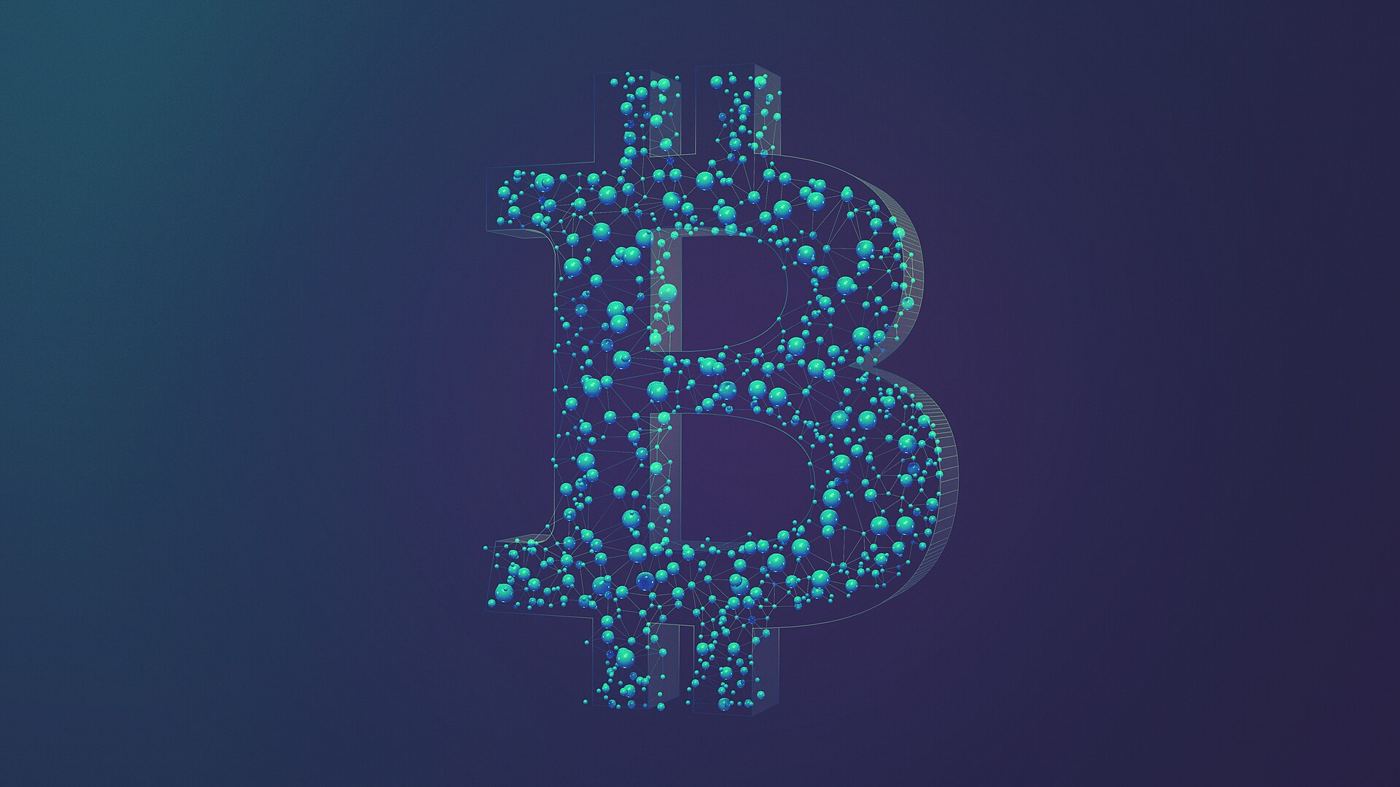
Blockchain networks promise faster settlements for everyday payments, offering a way to move money between people and businesses in minutes rather than days. The technology works as a shared digital ledger, maintained by many computers at once, so that a payment can be recorded and verified without passing through a chain of intermediaries that each add delay and cost. Supporters say the greatest benefit may be for cross-border payments, where sending money abroad has long been slow and expensive, and for small businesses waiting days for card payments to clear. Several payment firms and banks are now testing blockchain settlement alongside their existing systems, and early trials suggest the technology can cut both the time and the fees involved in moving money. For businesses that trade across borders, the savings are welcome, because fees and delays on international payments have long eaten into thin margins and slow cash flow for smaller exporters most of all.
What the Evidence Shows
Sceptics urge caution, noting that blockchain systems have faced problems with energy use, security breaches and confusing user experiences, and that regulation is still catching up in many countries. A faster payment is only useful if it is also safe, they argue, and consumers should understand that transactions on some networks cannot be reversed if money is sent to the wrong address. Businesses considering the technology should check the costs, the reliability of the network and whether their customers actually want it, rather than adopting it for novelty. Regulators are working on rules that protect consumers while allowing genuine innovation to develop. The promise is real, experts agree, but blockchain will earn its place in everyday payments only when it proves itself cheaper, faster and safer than the systems people already trust. Pilot projects remain small, but supporters say the technology is maturing and wider adoption could follow within a few years. Reporting and analysis from sources such as Financial Times track the same developments, and specialists following blockchain payment settlement say the direction is now consistent across independent lines of evidence.
The Wider Context
The wider context is a financial system repricing risk after a long era of cheap money. Decisions shaped by blockchain payment settlement are being made under closer supervisory attention, with stress tests and disclosure rules that assume conditions can worsen quickly. Institutions that planned for the benign case are adjusting in public, which is uncomfortable and healthy in equal measure.
What Happens Next
What happens next with blockchain payment settlement will be visible first in the data that professionals watch weekly: flows, spreads and the terms on new deals. Participants who spoke for this article expect a period of adjustment rather than drama, with the biggest effects landing on those who assumed the old conditions were permanent. Planning, as ever, is the cheapest hedge. You can follow related developments in our coverage of finance.
None of this will be settled by a single announcement, study or product launch. The pattern to watch is accumulation: independent confirmations, honest reporting of failures and steady improvement in the underlying numbers. Readers who follow those signals, rather than the loudest claim of the week, will understand this subject better than most of the commentary surrounding it suggests is possible.
