
Close Menu
NewsBailNewsBail

    Subscribe to Updates

    Get the latest creative news from FooBar about art, design and business.

    What's Hot

    Honeybees and Wild Pollinators Keep Gardens and Farms Blooming

    November 3, 2026

    Sleep in Teenagers Improves When Routines Match Their Body Clock

    November 2, 2026

    Renovated Market Halls Are Drawing Shoppers Back Into Struggling Town Centres

    November 2, 2026
    Facebook X (Twitter) Instagram Threads
    NewsBailNewsBail
    • Home
    • News
    • Business
    • Tech
    • Celebrity
    • Ai
    • Politics
    NewsBailNewsBail
    Home»Blog»Honeybees and Wild Pollinators Keep Gardens and Farms Blooming
    Blog

    Honeybees and Wild Pollinators Keep Gardens and Farms Blooming

    Abena AppiahBy Abena AppiahNovember 3, 2026No Comments3 Mins Read
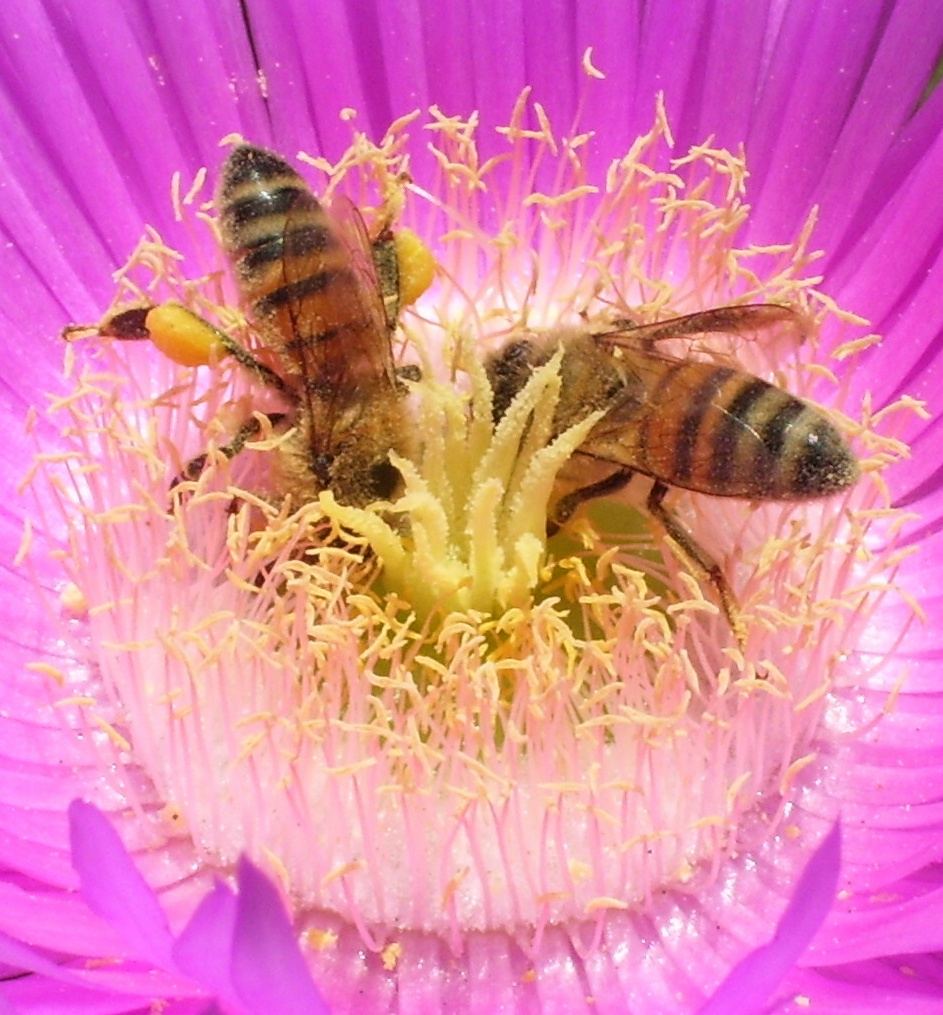
    A honeybee covered in pollen collects nectar from a bright flower in close up.
    Share
    Facebook Twitter Pinterest Threads Bluesky Copy Link

    On a warm morning, a honeybee moving from flower to flower is doing far more than collecting food for its colony. As pollen sticks to its body and brushes onto the next bloom, the bee helps plants produce seeds and fruit. Many garden crops and wildflowers depend on insects for this transfer, which is why pollinators attract so much scientific and public attention. Honeybees are the most familiar species, but bumblebees, solitary bees, butterflies and other insects also play important roles. Researchers study which flowers different pollinators visit, how far they travel and how weather, habitat loss and pesticide exposure affect their ability to survive and reproduce throughout each active season.

    What the Evidence Shows

    Protecting pollinators does not require a large farm or research budget. Leaving some flowers to bloom, providing shallow water, avoiding unnecessary insecticide use and planting a sequence of nectar rich plants across the seasons can all help in gardens and public spaces. Scientists caution against simple claims that one action will save bees, because pressures on pollinators are varied and differ by species and place. Monitoring schemes, where volunteers record insects they see, provide valuable evidence about population changes over time. Farmers are also experimenting with flower strips and hedgerows that support pollinators alongside productive fields. The picture is complex, but the central message is clear: diverse, flower rich habitats give pollinators a better chance. Reporting and analysis from sources such as NASA track the same developments, and specialists following honeybee flower pollen pollinators say the direction is now consistent across independent lines of evidence.

    The Wider Context

    Funding bodies are watching honeybee flower pollen pollinators closely because the work sits at the junction of basic curiosity and practical return. Grant panels increasingly ask for a path from discovery to application, while researchers push back that the most valuable uses of fundamental science are rarely the ones written into the original proposal. The tension is productive when both sides stay honest about timescales.

    What Happens Next

    The long view on honeybee flower pollen pollinators is that fields advance by accumulation rather than by single announcements. This result adds a solid, checkable piece to a structure many teams are building, and its authors have shared their data so the piece can be tested from every side. That is how the picture eventually becomes reliable enough to act on. You can follow related developments in our coverage of science.

    It is also worth remembering how quickly the picture in this area has changed before. Positions that looked settled a few years ago have been revised as new data arrived, and the same humility is appropriate now. The strongest coverage of this subject, and the most useful advice, tends to come from sources that update their views openly when the facts move, rather than defending an earlier position long after it has stopped fitting the evidence available.

    biodiversity honeybees pollinators
    Share. Facebook Twitter Pinterest Bluesky Threads Tumblr Telegram Email
    Abena Appiah

    Related Posts

    Sleep in Teenagers Improves When Routines Match Their Body Clock

    November 2, 2026

    Volcanic Island Eruption Tracked by New Ash Monitoring Network

    October 26, 2026

    Drawing Trend Lines on Gold Charts the Right Way

    October 25, 2026
    Add A Comment
    Leave A Reply Cancel Reply

    Top Posts

    Mixture News Review: Engaging Analysis and News You Can Use

    June 20, 202611 Views

    Journalist Exchange Review: Creative Tools for News Professionals

    June 20, 202611 Views

    Future Technology Explained: What’s Coming Next in the Tech World

    May 19, 202610 Views
    Don't Miss

    Honeybees and Wild Pollinators Keep Gardens and Farms Blooming

    By Abena AppiahNovember 3, 2026

    On a warm morning, a honeybee moving from flower to flower is doing far more than collecting food for its colony.

    Sleep in Teenagers Improves When Routines Match Their Body Clock

    November 2, 2026

    Renovated Market Halls Are Drawing Shoppers Back Into Struggling Town Centres

    November 2, 2026

    Investors Watch Earnings Season for Signs of Consumer Strength

    November 1, 2026
    Top Trending
    8.9

    Review: Latest Windows 11 Preview Build Lets You Search for Copied Text

    By Brian PatersonJanuary 15, 2021
    85

    Review: 10 Things You Didn’t See on TV During the 2021 Latin Grammys

    By Brian PatersonJanuary 14, 2021
    72

    Review: 50 Easy Travelling Habits That Help You Live Longer

    By Brian PatersonJanuary 14, 2021
    About Us

    NewsBail is a digital platform delivering timely news updates, breaking stories, and curated insights, helping users stay informed with accurate reporting, trending topics, and global developments across multiple categories daily.

    Stay connected anytime, anywhere with reliable and fast news coverage.

    Our Picks

    Honeybees and Wild Pollinators Keep Gardens and Farms Blooming

    November 3, 2026

    Sleep in Teenagers Improves When Routines Match Their Body Clock

    November 2, 2026
    Contact Us

    If you have any questions or need further information, feel free to reach out to us at:

    Email: davidpowellofficial@gmail.com
    Telegram: @CharlotteMia091
    Phone: +358 44 952 3404

    Address: 742 Evergreen Terrace, Springfield, IL 62704, USA.

    Facebook LinkedIn WhatsApp Telegram
    • About Us
    • Contact Us
    • Disclaimer
    • Privacy Policy
    • Terms and Conditions
    • Write for Us
    © 2026 All Rights Reserved By | NewsBail

    Type above and press Enter to search. Press Esc to cancel.

    WhatsApp us