

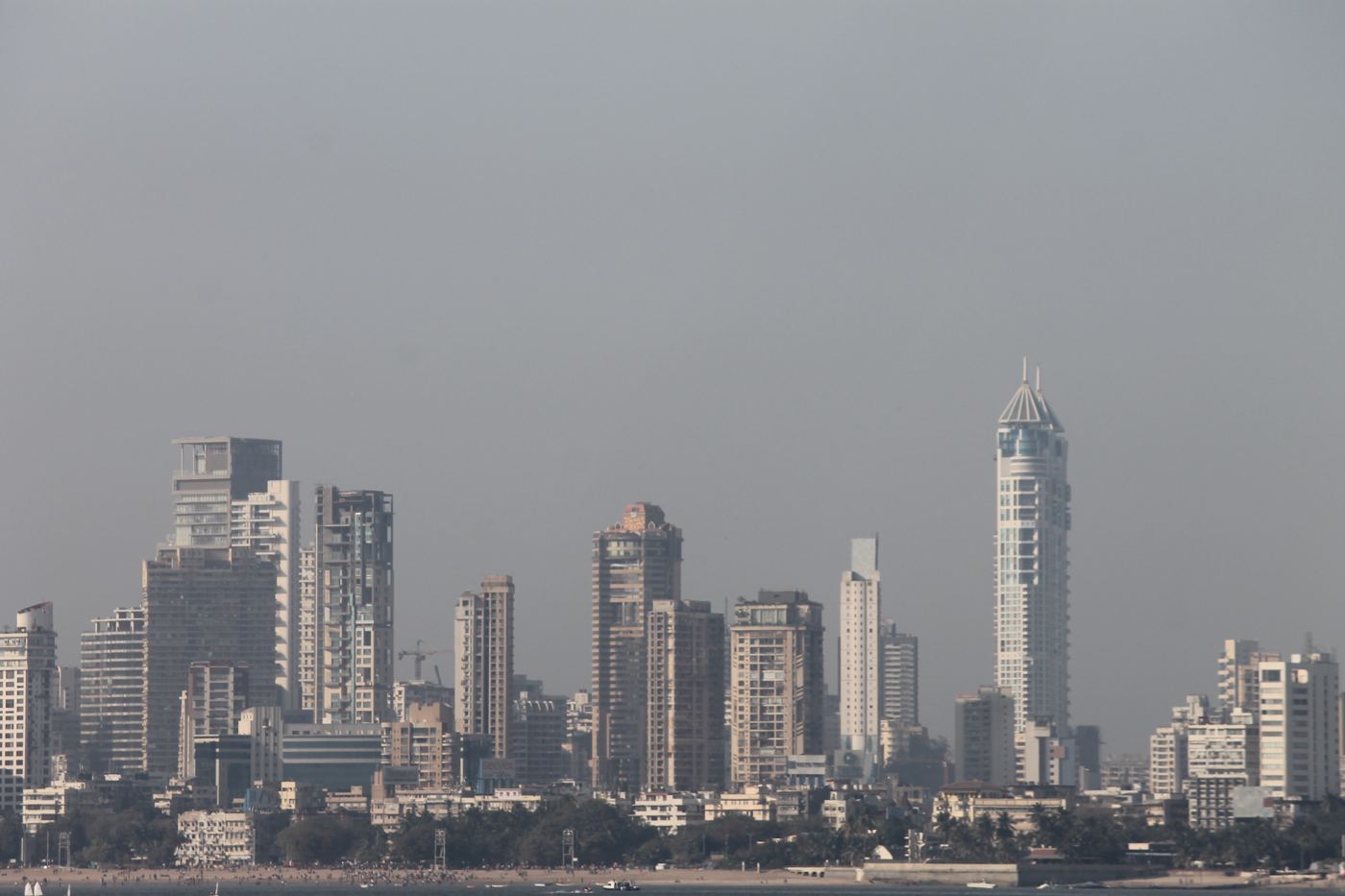
India’s economy likely grew 7.5 percent year on year in the July to September 2026 quarter, a marginal slowdown from 7.8 percent in the preceding quarter, according to rating agency ICRA’s estimates released on 17 November. The figure remains above the Reserve Bank of India’s forecast of 7.2 percent for the period, keeping India among the world’s fastest-growing large economies. ICRA trimmed its full-year growth projection for the 2026-27 fiscal year to 7.1 percent, citing deficient rainfall, rising inflation and elevated input costs weighing on rural demand. SBI Research had estimated slightly stronger growth of 7.8 percent for the quarter, based on a model tracking 54 high-frequency indicators across agriculture, industry and services.
What the Evidence Shows
The headline number masks a sharp divide between sectors. Growth in gross value added is estimated to have eased to 7.2 percent from 8.2 percent, with services slowing to 9.1 percent from 10.0 percent and industry to 7.2 percent from 7.7 percent. Agriculture nearly stalled, with farm output growth estimated at just 0.2 percent against 3.6 percent in the previous quarter and 3.2 percent a year earlier, after a weak monsoon and lower sowing of summer crops. SBI Research had estimated slightly stronger growth of 7.8 percent for the same quarter. ICRA’s chief economist Aditi Nayar said robust high-frequency data across industry and services pointed to healthy growth in those segments despite sustained external headwinds. Reporting and analysis from sources such as Financial Times track the same developments, and specialists following India’s GDP growth say the direction is now consistent across independent lines of evidence.
The Wider Context
The wider context is a financial system repricing risk after a long era of cheap money. Decisions shaped by India’s GDP growth are being made under closer supervisory attention, with stress tests and disclosure rules that assume conditions can worsen quickly. Institutions that planned for the benign case are adjusting in public, which is uncomfortable and healthy in equal measure.
What Happens Next
What happens next with India’s GDP growth will be visible first in the data that professionals watch weekly: flows, spreads and the terms on new deals. Participants who spoke for this article expect a period of adjustment rather than drama, with the biggest effects landing on those who assumed the old conditions were permanent. Planning, as ever, is the cheapest hedge. You can follow related developments in our coverage of finance.
None of this will be settled by a single announcement, study or product launch. The pattern to watch is accumulation: independent confirmations, honest reporting of failures and steady improvement in the underlying numbers. Readers who follow those signals, rather than the loudest claim of the week, will understand this subject better than most of the commentary surrounding it suggests is possible.
