

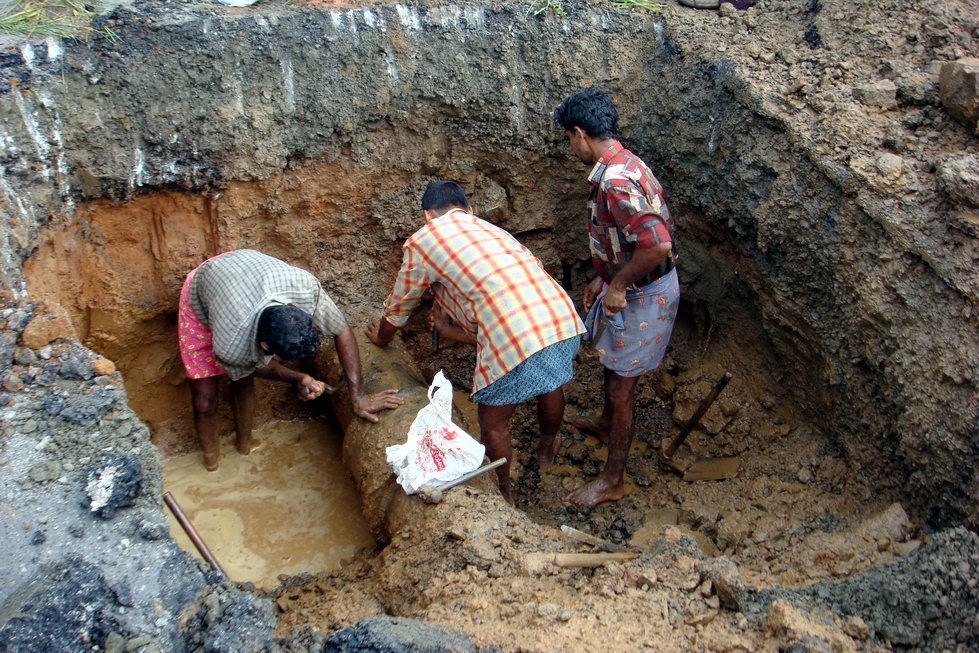
Water crews are using listening devices pressed against pipes and pavements to find hidden leaks long before they burst and flood a street without warning. Acoustic sensors can detect the faint hiss of escaping water underground, allowing engineers to pinpoint a failing section and dig in one precise place. Utilities say early detection saves enormous volumes of treated water that would otherwise soak silently into the ground for weeks on end beneath busy streets.
What the Evidence Shows
Repair teams combine those sound readings with pressure data and ground microphones to separate genuine leaks from ordinary traffic and household noise that can mislead inexperienced operators. Once located, many faults can be fixed with smaller excavations, shortening road closures and reducing disruption for nearby homes and businesses waiting for normal supply. Companies are publishing leak-repair targets more openly as regulators press the sector to waste less water during dry periods. Reporting and analysis from sources such as Associated Press track the same developments, and specialists following acoustic water leak detection say the direction is now consistent across independent lines of evidence.
The Wider Context
Regional and local reporting on acoustic water leak detection often tells a different story from national coverage, because the effects land unevenly: one town’s pilot is another’s distant proposal. Analysts who follow the subject full-time read the local data first, arguing that national averages conceal the variation that decides whether a policy or a project deserves to spread.
What Happens Next
The longer story of acoustic water leak detection is still being written by the people closest to it, whose experience rarely matches the earliest predictions of either supporters or critics. Reporting will continue to follow the evidence as it accumulates, including where it complicates today’s account. That is the deal serious coverage makes with its readers, and it holds for this subject as for any other. You can follow related developments in our coverage of news.
It is also worth remembering how quickly the picture in this area has changed before. Positions that looked settled a few years ago have been revised as new data arrived, and the same humility is appropriate now. The strongest coverage of this subject, and the most useful advice, tends to come from sources that update their views openly when the facts move, rather than defending an earlier position long after it has stopped fitting the evidence available.
None of this will be settled by a single announcement, study or product launch. The pattern to watch is accumulation: independent confirmations, honest reporting of failures and steady improvement in the underlying numbers. Readers who follow those signals, rather than the loudest claim of the week, will understand this subject better than most of the commentary surrounding it suggests is possible.
There is a practical lesson in all of this for readers deciding what to do today. Start with the verified facts, be wary of anyone promising certainty, and prefer reversible steps while the evidence is still developing. Circumstances differ by country, income and personal situation, so general guidance should always be weighed against your own context before you act on it in any significant or lasting way.
