

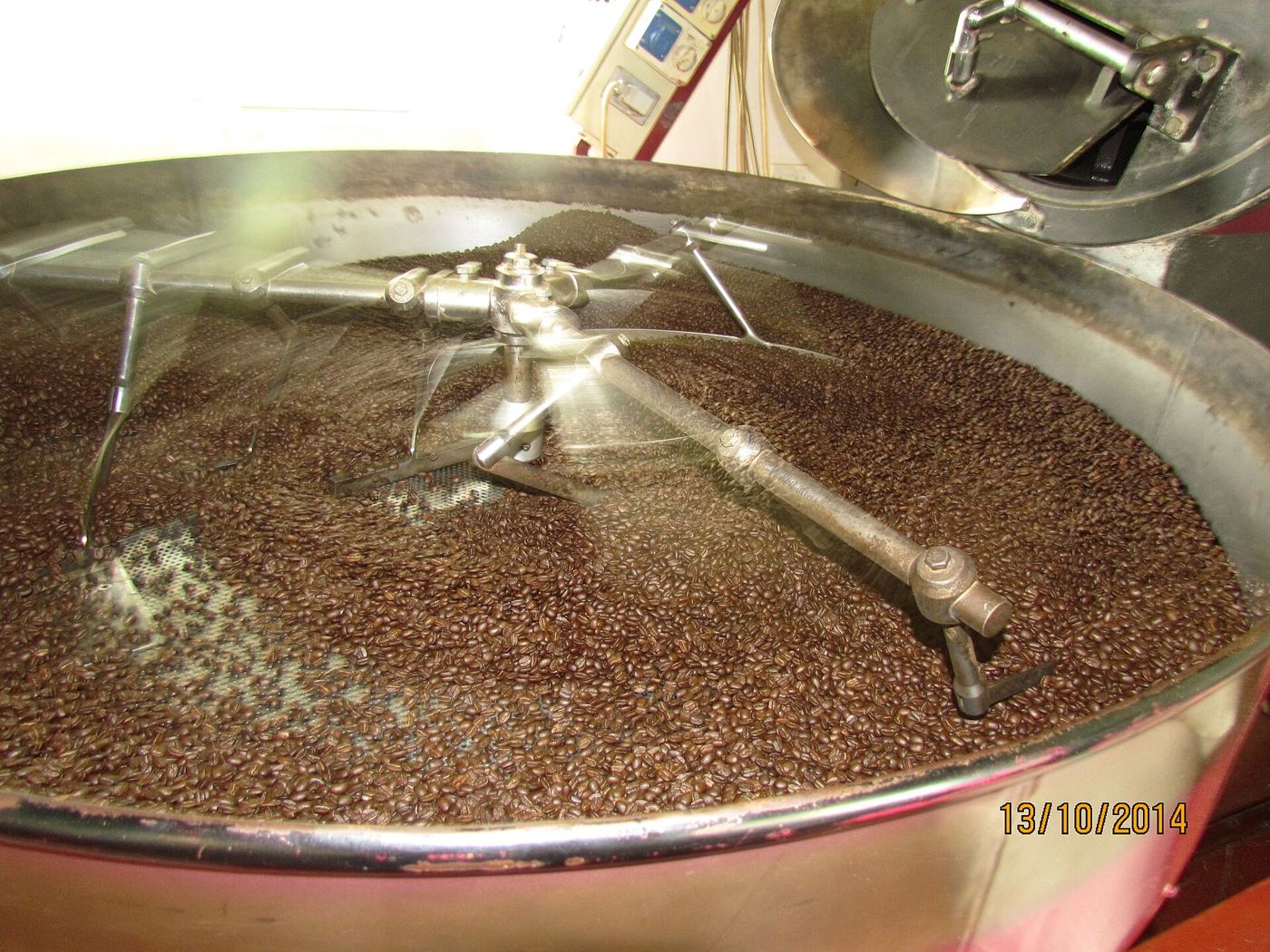
The morning coffee has quietly become one of the clearest signs of rising living costs. In the United States, a pound of ground roast coffee averaged 9.33 dollars in September 2026, according to the Bureau of Labor Statistics, up from 6.47 dollars two years earlier and 4.17 dollars in January 2020. The cause starts thousands of miles from the supermarket, in Brazil and Vietnam, where most of the world’s coffee grows. Brazil alone accounts for nearly 40 percent of world production, and Vietnam dominates robusta, the cheaper bean used in instant coffee and espresso blends. Years of drought and heat in Brazil, followed by frost and then too much rain, cut harvests again and again, while drought also hit Vietnam. The International Coffee Organization’s composite price index rose more than 90 percent in the two years to mid-2025, and world coffee stocks fell sharply as buyers drew down reserves built up in better years.
What the Evidence Shows
The market has not moved in a straight line. Coffee futures fell about 25 percent in the seven months to July 2026 as forecasts pointed to a record world crop of 189.7 million bags in 2026-27, yet retail prices stayed high, because roasters, shippers and cafes pass on costs slowly and earlier expensive beans are still working through the system. Tariffs added to the bill for part of 2025, when the United States imposed a 40 percent duty on some Brazilian goods, before coffee was removed from the tariff list in November 2025. Quality is another pressure: heavy harvest rains in Brazil washed beans from trees and left only a small share of the crop at exchange grade, pushing up the price of the beans roasters can actually use. For households, the lesson is that a daily habit can be hostage to weather on another continent, and for growers, high prices are finally funding replanting that may ease supply in the years ahead. Reporting and analysis from sources such as World Bank track the same developments, and specialists following coffee prices rising say the direction is now consistent across independent lines of evidence.
The Wider Context
For households and small firms, coffee prices rising matters through prices and access rather than through market commentary. Changes at this level arrive as a rate on an offer letter, a fee on a statement or a product that quietly disappears from a comparison table. Consumer groups argue that transparency at exactly that point of decision is worth more than any amount of market-level reporting.
What Happens Next
The outlook for coffee prices rising hinges on policy choices that will be made in the open over the coming quarters. Market participants are positioned for more than one outcome, which is why the immediate reaction to each announcement has been smaller than the commentary around it. For ordinary savers and borrowers, the advice from every quarter is the same: review your own position, not the headlines. You can follow related developments in our coverage of finance.
It is also worth remembering how quickly the picture in this area has changed before. Positions that looked settled a few years ago have been revised as new data arrived, and the same humility is appropriate now. The strongest coverage of this subject, and the most useful advice, tends to come from sources that update their views openly when the facts move, rather than defending an earlier position long after it has stopped fitting the evidence available.
