

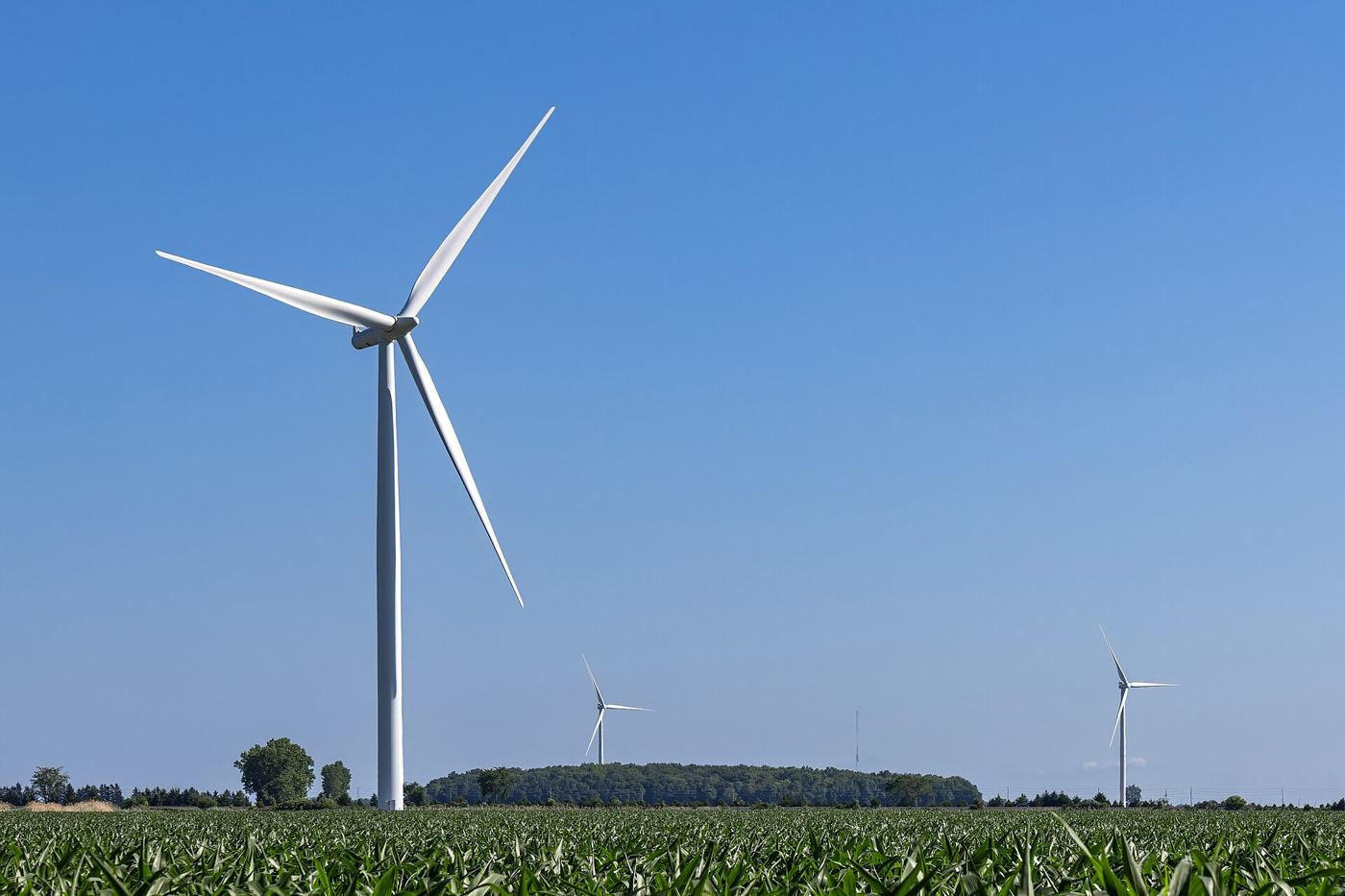
Green bonds have become one of the main ways emerging economies raise money for clean energy, with governments and companies selling debt that is earmarked for wind farms, solar plants, clean transport and energy-efficient buildings. The market has grown rapidly, as investors looking for both returns and environmental impact buy the bonds, and as borrowers welcome a new source of funding beyond traditional bank loans. For a developing country, a green bond can finance a solar plant that would otherwise wait years for funding, bringing power to homes and businesses sooner. The bonds also carry a discipline: the borrower must report on how the money was spent and what it achieved, which gives investors a clearer view than a general loan. Supporters say the market shows that finance can move quickly when the purpose is clear and the returns are sound. New issues arrive regularly now, and the range of borrowers keeps widening each year.
What the Evidence Shows
The market still faces questions about standards and scale. Investors want to be sure that a bond labelled green genuinely funds clean projects, and independent checks are becoming a normal part of the process. Currency risk is another issue, since many emerging-market borrowers raise money in dollars or euros but earn revenue in local currency, so a sharp fall in the exchange rate can make repayment harder. Some countries are now issuing green bonds in their own currency, with development banks helping to attract buyers. Analysts say the amounts raised are still small compared with the investment needed to transform energy systems, but the market is growing each year. If standards hold and costs fall, green bonds could become a routine part of how emerging economies pay for cleaner power. Reporting and analysis from sources such as World Bank track the same developments, and specialists following green bond energy transition finance say the direction is now consistent across independent lines of evidence.
The Wider Context
For households and small firms, green bond energy transition finance matters through prices and access rather than through market commentary. Changes at this level arrive as a rate on an offer letter, a fee on a statement or a product that quietly disappears from a comparison table. Consumer groups argue that transparency at exactly that point of decision is worth more than any amount of market-level reporting.
What Happens Next
The outlook for green bond energy transition finance hinges on policy choices that will be made in the open over the coming quarters. Market participants are positioned for more than one outcome, which is why the immediate reaction to each announcement has been smaller than the commentary around it. For ordinary savers and borrowers, the advice from every quarter is the same: review your own position, not the headlines. You can follow related developments in our coverage of finance.
It is also worth remembering how quickly the picture in this area has changed before. Positions that looked settled a few years ago have been revised as new data arrived, and the same humility is appropriate now. The strongest coverage of this subject, and the most useful advice, tends to come from sources that update their views openly when the facts move, rather than defending an earlier position long after it has stopped fitting the evidence available.
