

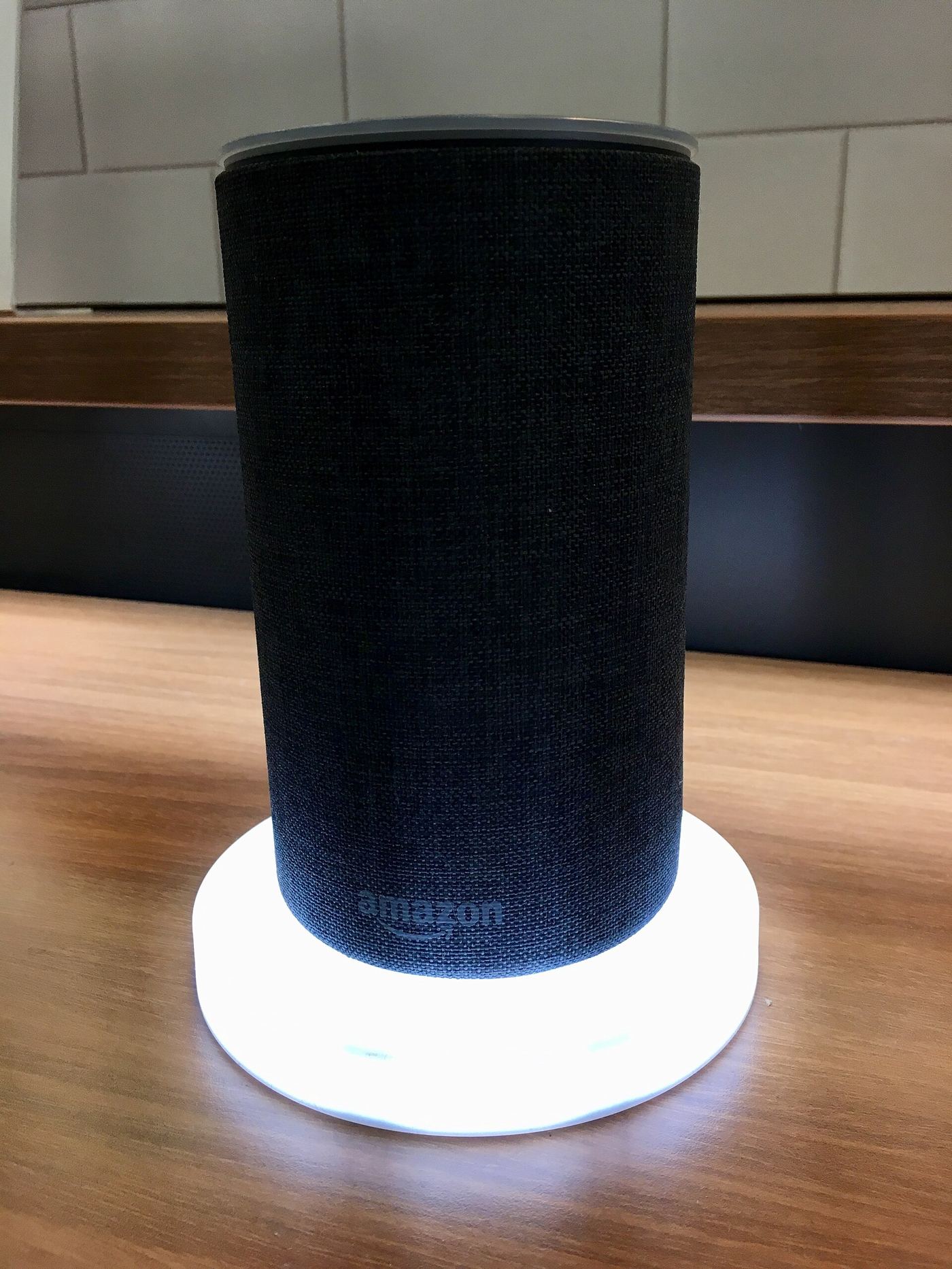
Anyone who has bought smart home devices from different brands knows the frustration of juggling separate apps, accounts and voice assistants that do not quite agree with one another. A shared connectivity standard known as Matter was created to ease that problem, allowing lights, locks, sensors and speakers from different makers to be set up and controlled in a more consistent way. For households, the benefit is practical rather than glamorous: a door sensor bought this year should still work with a hub bought last year. Retailers are beginning to label compatible products more clearly, helping buyers avoid expensive mistakes and abandoned gadgets. For renters, easier setup is especially welcome, since devices can be added without rewiring and taken along when moving to a new home or flat.
What the Evidence Shows
The transition will take time, because older devices remain in homes and not every product category is fully covered by the standard yet. Setup is also only part of the story, since a compatible device can still be let down by weak Wi Fi or confusing software. Consumer groups advise checking whether a device keeps working locally if the internet fails, and whether security updates are promised for a reasonable period. Manufacturers, for their part, are competing more on reliability, design and support instead of locking customers into a single ecosystem. If the standard matures as intended, smart homes should become easier to extend, repair and eventually pass on to the next occupant. Standards bodies continue to publish updates, and manufacturers who keep older products supported are likely to earn the loyalty that this market has often lacked. Reporting and analysis from sources such as Wired track the same developments, and specialists following interoperability standards for smart home devices say the direction is now consistent across independent lines of evidence.
The Wider Context
The wider context is an industry learning to ship capability and restraint together. Products built around interoperability standards for smart home devices now launch with safety evaluations, usage data and rollback plans as standard, because enterprise buyers and regulators ask for them in the first meeting. Companies that treated those questions as friction are discovering they have become the purchase criteria.
What Happens Next
What happens next for interoperability standards for smart home devices depends less on another breakthrough than on the unglamorous work of reliability, pricing and support. The buyers evaluating it now are not enthusiasts; they are operators with budgets and auditors, and their checklists will decide the timeline. On the evidence of the current pilots, the technology has earned the right to be judged by them. You can follow related developments in our coverage of technology.
None of this will be settled by a single announcement, study or product launch. The pattern to watch is accumulation: independent confirmations, honest reporting of failures and steady improvement in the underlying numbers. Readers who follow those signals, rather than the loudest claim of the week, will understand this subject better than most of the commentary surrounding it suggests is possible.
