

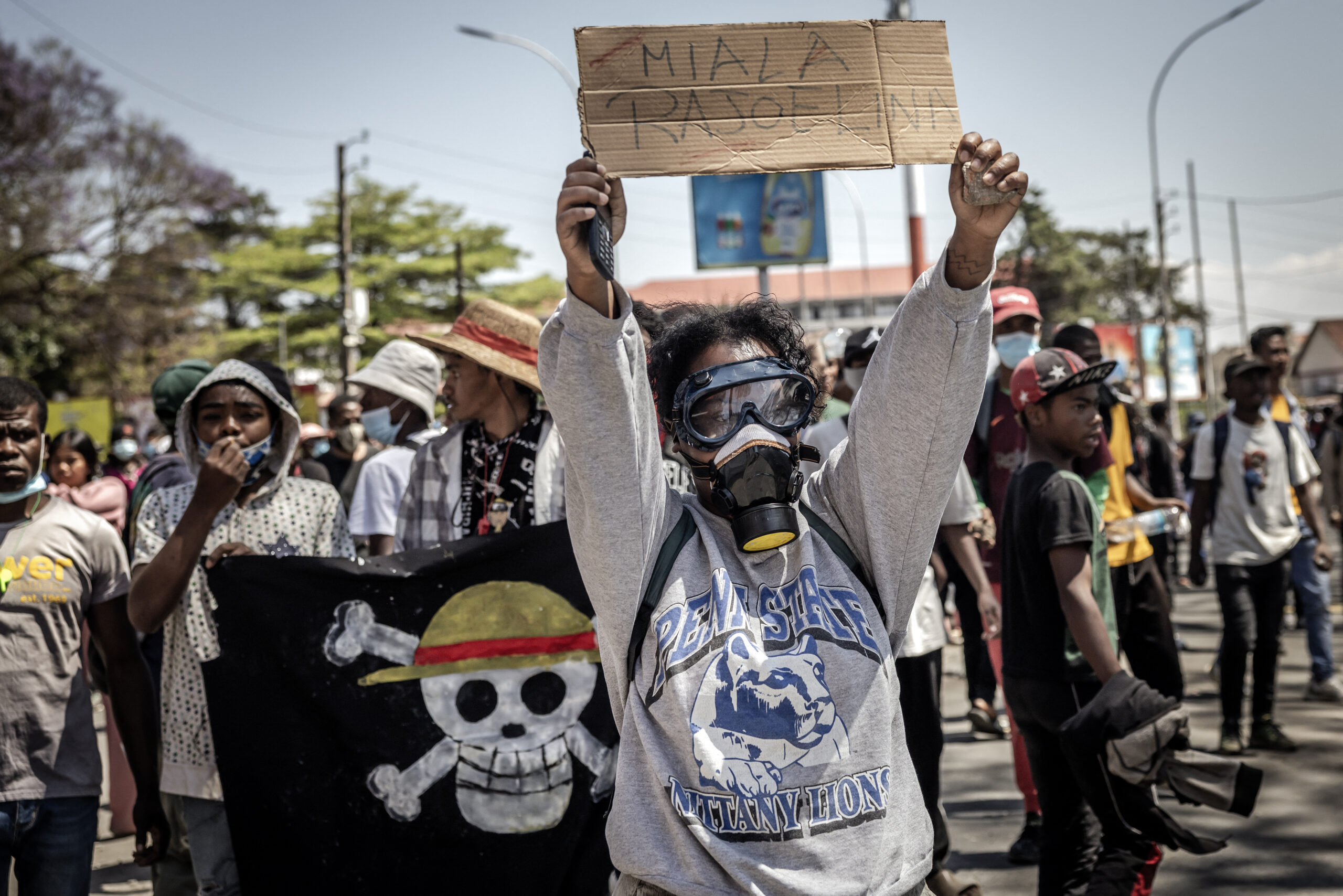
The global political landscape is undergoing a noticeable transformation as new voices, movements, and ideologies begin to reshape traditional systems. This emerging political wave is not limited to one country or region but is spreading across democracies and developing nations alike. As citizens become more digitally connected and socially aware, their expectations from leadership are evolving rapidly. This shift is influencing policies, governance styles, and future political direction in significant ways.
Changing Political Landscape in the Modern Era
Rise of Digital Political Engagement
Digital platforms have completely changed how politics operates today. Social media, online news, and digital campaigns now play a central role in shaping public opinion. Political leaders are no longer dependent only on traditional media; instead, they directly engage with citizens online. This has made political communication faster, more transparent, and more interactive, allowing voters to stay informed in real time.
Youth Participation in Politics
Young people are becoming more active in political discussions and decision-making processes. With better access to education and global information, the youth are questioning outdated systems and demanding accountability. Their involvement is influencing election outcomes and pushing governments to focus on issues like employment, climate change, and digital rights. This growing participation is a key factor in the new political wave.
Shift Toward Issue-Based Politics
Modern politics is gradually moving away from personality-driven campaigns toward issue-based discussions. Voters are more interested in policies related to economy, healthcare, education, and technology rather than political slogans. This shift is creating a more informed electorate that evaluates leaders based on performance and practical solutions rather than popularity alone.
Global Impact of the Emerging Political Wave
Influence on Democratic Systems
Democracies around the world are adapting to changing voter behavior. Governments are being pushed to increase transparency and improve accountability mechanisms. Electoral systems are also evolving with better digital monitoring and voter engagement tools. This new political wave is strengthening democratic values while also challenging traditional power structures.
Economic Policy Transformation
Political change often brings shifts in economic direction. Many governments are now focusing on digital economies, job creation, and sustainable development. Economic policies are becoming more people-centered, with greater emphasis on reducing inequality and improving living standards. This transformation reflects the demand for more inclusive and balanced growth models.
Rise of Global Political Awareness
People are now more aware of international issues than ever before. Global conflicts, climate change, and trade policies are widely discussed across digital platforms. This awareness is influencing national politics, as citizens expect their governments to take stronger positions on global matters. The result is a more interconnected political environment.
Future Outlook of the New Political Wave
Technology-Driven Governance
Technology is expected to play a major role in future governance systems. Artificial intelligence, data analytics, and digital platforms are being used to improve public services and decision-making processes. Governments are adopting smart solutions to increase efficiency and reduce corruption, making governance more responsive and data-driven.
Changing Leadership Models
The definition of leadership is evolving. Future political leaders are expected to be more transparent, communicative, and adaptable. Instead of traditional authority-based leadership, there is a growing demand for collaborative and inclusive leadership styles. This shift is helping bridge the gap between governments and citizens.
Increased Civic Participation
Civic engagement is likely to grow significantly in the coming years. Citizens are not only voting but also actively participating in policy discussions through digital forums and community initiatives. This involvement is strengthening democracy and ensuring that governance becomes more participatory and inclusive.
FAQs
What is the new political wave?
It refers to the global shift in political systems driven by digital engagement, youth participation, and changing public expectations.
Why is youth involvement important in politics?
Youth bring fresh ideas, demand accountability, and influence policies on key issues like jobs and climate change.
How is technology affecting politics?
Technology is improving communication, transparency, and governance efficiency through digital tools and platforms.
What is issue-based politics?
It is a political approach focused on policies and real-world problems rather than personality-driven campaigns.
Will political systems change in the future?
Yes, political systems are expected to become more digital, transparent, and citizen-focused.
Conclusion
The rise of a new political wave is reshaping how governments operate and how citizens engage with leadership. Driven by technology, youth participation, and global awareness, this transformation is creating more transparent, responsive, and issue-focused political systems. As these changes continue, the future of politics will likely be more inclusive and digitally connected, giving citizens a stronger voice in shaping their societies.
